Baking is a delightful journey, a creative outlet that brings joy and delicious aromas into your home. But let’s be honest, outfitting your kitchen with all the gadgets can quickly add up. If you’ve been eyeing a hand mixer to tackle everything from fluffy meringues to hearty cookie doughs, but your budget is tight, you’re in the right place. Finding a reliable yet affordable hand mixer can feel like searching for a needle in a haystack, with countless options promising the moon but delivering little. This guide cuts through the clutter, offering expert insights to help you choose a budget-friendly hand mixer that doesn’t compromise on performance, ensuring your baking adventures are both satisfying and economical.
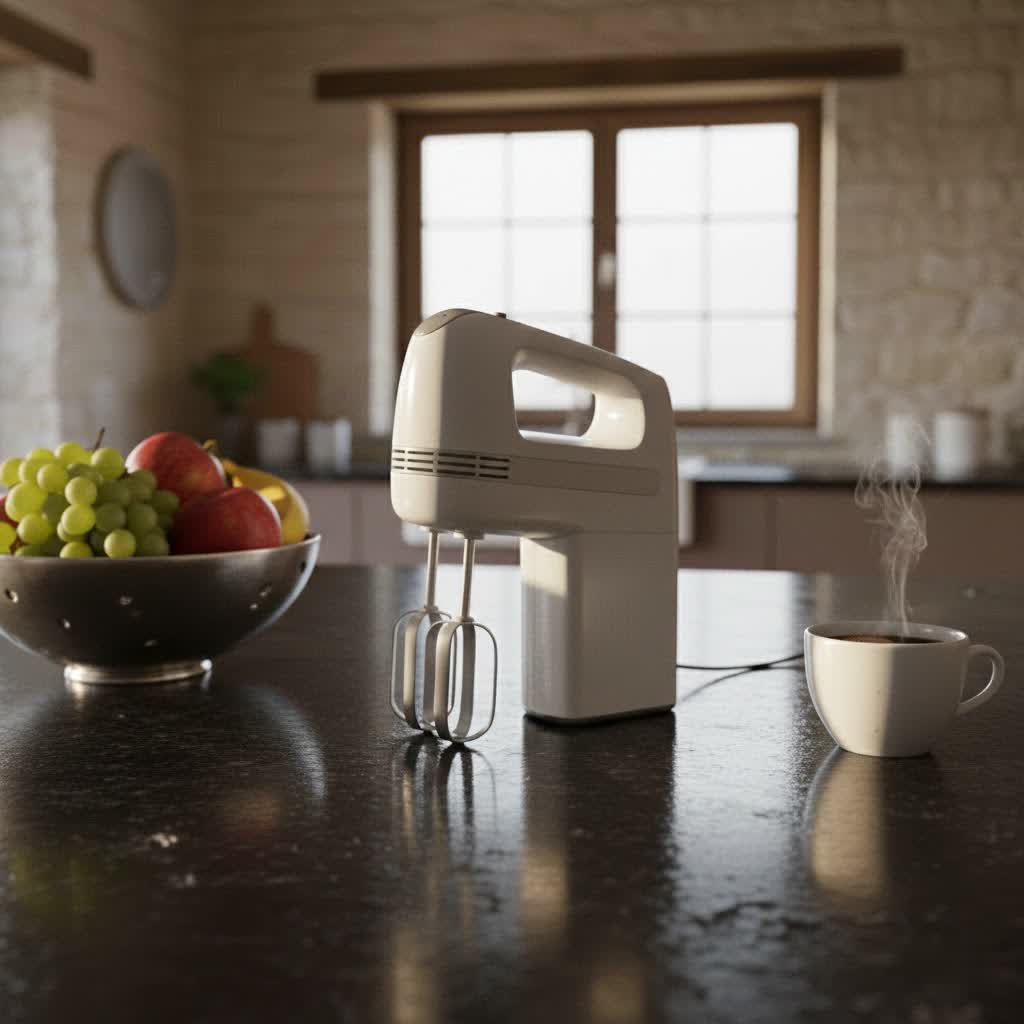
Hand Mixer Types: Finding Your Budget-Friendly Match
Hand mixers are indispensable kitchen tools, offering convenience and versatility for a wide range of tasks. Even within the “cheap” category, there’s a spectrum of capabilities. Understanding these differences will help you pinpoint the best mixer for your specific needs without overspending.
Basic Hand Mixers: These are your entry-level models, typically featuring 3 to 5 speed settings and a modest wattage, often between 100-200 watts. They excel at simple tasks like whipping egg whites, mixing thin batters, or blending salad dressings. While they might struggle with very thick doughs, they are perfect for occasional bakers or those with limited kitchen space who need a straightforward tool for lighter jobs.
Mid-Range Budget Mixers: Stepping up slightly in price (but still firmly in the “cheap” category), these mixers usually offer 5 to 7 speeds, sometimes even up to 9, and a more robust motor in the 200-300 watt range. They are often equipped with additional attachments beyond standard beaters, such as whisks and dough hooks, significantly expanding their versatility. These are ideal for more frequent bakers who tackle a variety of recipes, from cakes and cookies to lighter bread doughs. They strike an excellent balance between cost and capability, providing enough power for most common baking needs.
When considering a budget hand mixer, think about the primary tasks you’ll use it for. If it’s mostly for occasional whipping and light mixing, a basic model is perfectly sufficient. However, if you plan to delve into more ambitious baking projects, a mid-range budget mixer with more speeds and attachments will offer greater satisfaction and longevity.
Top Affordable Hand Mixer Brands: A Quick Comparison
When shopping for an inexpensive hand mixer, certain brands consistently deliver quality and performance without breaking the bank. Here’s a comparison of popular budget-friendly options, highlighting their typical features and what makes them stand out.
| Brand | Typical Price Range | Wattage (Approx.) | Key Features/Attachments | Pros | Cons |
|---|---|---|---|---|---|
| Hamilton Beach | $25 – $40 | 250-275W | 6 speeds, Snap-on storage case, Beaters, Whisk, Dough hooks | Excellent value, good power for the price, convenient storage, versatile attachments | Can be a bit noisy at higher speeds |
| Black+Decker | $20 – $35 | 175-250W | 5-6 speeds, Lightweight design, Basic beaters | Very lightweight, ultra-affordable, easy to handle | Lower power, may struggle with very thick mixtures |
| Proctor Silex | $15 – $25 | 100-150W | 5 speeds, Basic beaters, Compact | Extremely budget-friendly, good for minimal tasks, small footprint | Very low power, limited versatility, less durable for heavy use |
| Cuisinart (Entry-Level) | $40 – $70 | 220-250W | 5-9 speeds, Storage case, Beaters, Whisk, Dough hooks | Reliable brand reputation, sturdy build, good performance for mid-range tasks | Can be louder, higher end of the “cheap” spectrum |
This table provides a snapshot, but remember that specific models within these brands will vary. Hamilton Beach often stands out for its balance of power, features, and an included storage case, making it a favorite for many budget-conscious bakers. Black+Decker offers ultra-lightweight options perfect for quick tasks and easy handling. For those looking for the absolute cheapest option for very occasional, light use, Proctor Silex is a contender, though its power is limited. Cuisinart’s entry-level models deliver a more premium feel and enhanced performance while still being relatively affordable, especially when on sale.
Smart Buying Guide for a Cheap Hand Mixer
Choosing a Cheap Hand Mixer doesn’t mean settling for subpar quality. It means making smart choices based on key features that deliver the best value. Here’s what to consider to ensure you get a powerful, versatile, and durable mixer without overspending.
Power and Speed
|
Our Picks for the Best Hand Mixer in 2026
As an Amazon Associate I earn from qualifying purchases.
|
||
| Num | Product | Action |
|---|---|---|
| 1 | KitchenAid 5 Ultra Power Speed Hand Mixer - KHM512, Empire Red |

|
| 2 | Hamilton Beach 6-Speed Electric Hand Mixer with Whisk, Dough Hooks and Easy Clean Beaters, Powerful 275 Watt Motor, Snap-On Storage Case, Black |
|
| 3 | Hamilton Beach 6-Speed Electric Hand Mixer with Whisk, Dough Hooks and Easy Clean Beaters, Powerful 275 Watt Motor, Snap-On Storage Case, White |
|
| 4 | KitchenAid 5-Speed Ultra Power Hand Mixer - KHM512, Contour Silver |
|
| 5 | Hamilton Beach 6-Speed Electric Hand Mixer with Whisk, Traditional Beaters, Snap-On Storage Case, 250 Watts, White |
|
| 6 | KitchenAid 5 Ultra Power Speed Hand Mixer - KHM512, Aqua Sky |
|
| 7 | 5-Speed Electric Hand Mixer, 800W Handheld Mixer with Turbo for Baking & Cooking, Kitchen Food Mixer with Storage Case & 5 Stainless Steel Attachments (2 Beaters, 2 Dough Hooks, 2 Whisks)-White |
|
| 8 | KitchenAid 5-Speed Ultra Power Hand Mixer |
|
| 9 | Mity Rain 4-in-1 Frother for Protein Powder, Adjustable-Waterproof, Protein Powder Scoop Funnel Set, Detachable Rechargeable Protein Mixer Wand for Coffee, Matcha, Milk, and Drinks |
|
| 10 | Hamilton Beach 6-Speed Electric Hand Mixer with Whisk, Dough Hooks and Easy Clean Beaters, Powerful 275 Watt Motor, Snap-On Storage Case, Blue |
|
The wattage of a hand mixer indicates its motor strength. For basic tasks like whipping cream or mixing thin batters, 150-200 watts can suffice. However, to handle a wider range of recipes, including cookie dough or cake batters, aim for a mixer with at least 200-250 watts. More powerful options (300W+) will tackle even tougher ingredients with greater ease and less strain on the motor.
Equally important are the speed settings. Look for at least 5 speed options, allowing you to gradually increase mixing intensity. A “soft start” feature is a bonus, preventing ingredients from splattering out of the bowl when you begin mixing. Some mixers also include a “turbo” or “burst” button for a quick surge of power when needed.
Attachments
Most hand mixers come with a standard pair of wire beaters. These are essential for general mixing, beating eggs, and aerating batters. For added versatility, look for models that include:
- Whisk attachment: Ideal for whipping cream, meringues, and light batters to airy perfection.
- Dough hooks: Designed for kneading lighter doughs, such as pizza dough or softer bread doughs. While budget hand mixers won’t replace a stand mixer for heavy-duty kneading, dough hooks can be a huge time-saver for smaller batches.
Ergonomics and Weight
You’ll be holding this appliance, so comfort is key. Choose a mixer with an ergonomic handle that feels comfortable in your hand. A lighter mixer (typically under 3 pounds) will reduce fatigue during longer mixing sessions. Test the button placement and ease of speed adjustment if possible.
Storage and Cleaning
Kitchen space is often at a premium, so consider how the mixer and its attachments will be stored. Many budget hand mixers now come with convenient snap-on storage cases that keep all accessories neatly organized and prevent them from getting lost. For cleaning, check if the attachments are dishwasher-safe, which makes cleanup a breeze. The body of the mixer usually just needs a quick wipe with a damp cloth.
Cord Length and Design
A decent cord length (typically 40-60 inches) offers more flexibility and mobility in the kitchen. Also, consider the cord’s swivel capability to prevent tangling. Some models feature a cord that neatly wraps around the mixer or fits into the storage case.
Durability
While you’re looking for a “cheap” mixer, you still want it to last. Read user reviews to identify common complaints about build quality, motor lifespan, or attachment durability. A mixer made with sturdy, high-quality plastic and stainless steel attachments will generally offer better longevity.
By focusing on these practical considerations, you can confidently select an affordable hand mixer that meets your baking demands without compromising on essential features or reliability.
Top 5 Budget-Friendly Hand Mixers You Can Trust
When the goal is to find a dependable hand mixer without overspending, certain models consistently rise to the top. Here are five budget-friendly hand mixers that offer excellent value, combining performance, features, and durability that won’t strain your wallet.
-
Hamilton Beach 6-Speed Electric Hand Mixer with Snap-On Case
- Overview: Frequently hailed as the best value option, this Hamilton Beach model delivers impressive performance for its price. Its 250-275 watt peak power motor handles a surprising range of tasks.
- Pros: Powerful enough for most everyday baking, comes with a convenient snap-on storage case for all attachments (beaters, whisk, dough hooks), six versatile speeds plus a QuickBurst button, and a comfortable design with a bowl rest feature.
- Cons: Can be a bit noisy, and the lowest speed might be slightly fast for delicate folding.
- Ideal for: Everyday bakers seeking a feature-rich mixer with excellent power and convenient storage.
-
Black+Decker Lightweight Hand Mixer
- Overview: This mixer is a fantastic choice for those prioritizing extreme affordability and ease of handling. It’s incredibly lightweight and straightforward to use.
- Pros: Ultra-lightweight (often around 1.5-2 lbs), making it comfortable for prolonged use; very budget-friendly; 5-6 speeds to cover basic mixing needs; stainless steel beaters are easy to clean.
- Cons: Lower wattage (typically 175-250W) means it might struggle with very thick doughs; fewer attachments often included.
- Ideal for: Beginners, those with smaller hands or limited strength, and anyone needing a simple, no-fuss mixer for light tasks.
-
Proctor Silex Easy Mix 5-Speed Electric Hand Mixer
- Overview: If your budget is extremely tight, the Proctor Silex offers a bare-bones solution for very basic mixing needs. It’s one of the cheapest options available.
- Pros: Exceptionally low price point (often under $20); lightweight and compact for easy storage; simple 5-speed operation.
- Cons: Very low power (around 100W), making it unsuitable for heavy batters or doughs; typically only includes standard beaters; durability might be a concern with frequent use.
- Ideal for: Occasional users who only need to whip eggs, mix thin pancake batter, or perform very light tasks.
-
SHARDOR Hand Mixer Electric (6-speed with Turbo)
- Overview: While perhaps less universally known than the larger brands, this mixer often provides excellent features for its budget price, as highlighted in online reviews.
- Pros: Decent power (around 250W); includes a good range of attachments (whisk, beaters, dough hooks); features a quick-release button and a handy latch case for storage; a longer cord (e.g., 59 inches) offers good mobility.
- Cons: Brand recognition is lower, so long-term user feedback might be less extensive.
- Ideal for: Bakers looking for a feature-packed mixer at a very competitive price, willing to explore lesser-known but well-performing brands.
-
Cuisinart Power Advantage 5-Speed Hand Mixer
- Overview: Cuisinart is a respected brand, and their entry-level Power Advantage 5-Speed mixer often falls into the higher end of the “cheap” category, providing solid performance and reliability.
- Pros: Reliable brand with good build quality; 220-watt motor handles many tasks, including cookie dough; easy-to-use slide control for speeds; often includes a sturdy storage case and multiple attachments.
- Cons: Can be louder during operation compared to some; typically costs a bit more than other “cheap” options, though sales can make it highly competitive.
- Ideal for: Those who want a reputable brand’s quality and performance within a reasonable budget, and who don’t mind spending a few extra dollars for enhanced reliability.
Remember to check current prices and specific model features, as they can fluctuate. Each of these mixers offers a compelling reason to be your next kitchen assistant, proving that great baking doesn’t require an extravagant budget.
Maximizing Your Cheap Hand Mixer: Tips for Use and Care
Owning a budget-friendly hand mixer is a smart choice, and with proper use and care, you can ensure it performs optimally and lasts for years. These simple tips will help you get the most out of your affordable kitchen tool.
Smart Usage Techniques
- Start Slow: Always begin mixing on the lowest speed setting, especially when adding dry ingredients like flour. This prevents a cloud of ingredients from flying out of the bowl and helps incorporate them evenly without splatter. Gradually increase the speed as the ingredients combine.
- Don’t Overload: While many budget hand mixers are surprisingly powerful, they aren’t designed for consistently heavy-duty tasks like dense bread dough or large batches of stiff cookie dough that a stand mixer would handle. If your mixer sounds strained or slows down significantly, consider dividing your ingredients into smaller batches or switching to manual mixing for particularly tough sections.
- Move It Around: Hand mixers give you direct control. Don’t leave the beaters in one spot. Move the mixer in a circular motion around the bowl, occasionally tilting the bowl, to ensure all ingredients are thoroughly incorporated from the sides and bottom.
- Pay Attention to Consistency: Get to know what your mixer can handle. For example, whipping cream or egg whites is usually effortless, while thick brownie batter might require a bit more patience and lower speeds.
Essential Care and Maintenance
- Clean Immediately: After each use, detach the beaters and clean them promptly. Most attachments are dishwasher-safe, or a quick rinse under hot water with a little soap will do the trick. This prevents food from drying and hardening, making cleanup much easier.
- Wipe Down the Body: The motor housing should never be submerged in water. Instead, wipe it down with a damp cloth to remove any splatters or dust. Ensure it’s completely dry before storing.
- Store Properly: If your mixer comes with a snap-on case or a storage bag, use it! This keeps all attachments together, prevents them from getting lost, and protects the mixer from dust and damage in your cabinet or drawer. Proper storage also helps maintain the integrity of the cord.
- Check for Wear: Periodically inspect your attachments for any signs of bending, rust, or damage. Replace them if necessary. Also, ensure the cord is free of kinks or fraying.
By following these simple guidelines, your cheap hand mixer will remain a reliable workhorse in your kitchen, making baking and cooking a more enjoyable and efficient experience.
Hand Mixer vs. Stand Mixer: The Budget Perspective
Choosing between a hand mixer and a stand mixer is a common dilemma for home bakers, especially when budget is a primary concern. Both tools have their strengths, but for those watching their spending, a hand mixer often presents the more practical and economical choice.
Why a Hand Mixer is the Budget-Friendly Champion:
- Affordability: This is the most significant advantage. A quality budget hand mixer can cost anywhere from $20 to $70, while even entry-level stand mixers typically start at $100-$150 and can quickly go much higher. This difference makes hand mixers accessible to virtually any home cook.
- Compact Size: Hand mixers are significantly smaller and lighter than stand mixers. They require minimal storage space, easily fitting into a drawer or a small cabinet. This is ideal for smaller kitchens, apartments, or anyone looking to minimize countertop clutter.
- Portability: Their lightweight nature means you can easily move a hand mixer wherever you need it in the kitchen, or even take it with you to a friend’s house. Stand mixers are heavy and meant to stay put.
- Versatility for Everyday Tasks: For common tasks like whipping cream, beating eggs, mixing cake batter, making frosting, or even preparing mashed potatoes, a good hand mixer performs just as effectively as a stand mixer. They offer precise control, allowing you to easily scrape down the sides of the bowl as you mix.
- Easier Cleanup: Hand mixer attachments are usually smaller and easier to clean than the bulkier attachments of a stand mixer. Many are dishwasher-safe, simplifying post-baking chores.
When a Stand Mixer Might Be Considered (Beyond Budget):
- Heavy-Duty Mixing: Stand mixers excel at kneading dense bread doughs, mixing large batches of stiff cookie dough, or handling other high-volume, strenuous tasks without straining.
- Hands-Free Operation: Once set, a stand mixer works on its own, freeing up your hands for other tasks. This can be a huge advantage for complex recipes.
- Specialized Attachments: High-end stand mixers often come with or can accommodate a wide array of attachments for pasta making, meat grinding, spiralizing, and more, making them true kitchen workhorses.
The Verdict for Budget-Conscious Bakers: For most home cooks and bakers, especially those with limited budgets or kitchen space, a cheap hand mixer is an overwhelmingly practical and capable choice. It handles 90% of typical mixing tasks with ease, saves money, and doesn’t demand precious counter space. Invest in a well-reviewed budget hand mixer, and you’ll find it an invaluable assistant for countless delicious creations.
Conclusion
Choosing a cheap hand mixer doesn’t mean sacrificing quality or capability. As we’ve explored, the market offers a fantastic array of budget-friendly options that are more than capable of handling your everyday baking and cooking tasks, from light batters to more substantial doughs. The key lies in understanding what features matter most—prioritizing adequate wattage, multiple speed settings, useful attachments, and convenient storage.
Brands like Hamilton Beach and Black+Decker consistently deliver excellent value, proving that you can achieve fantastic results without a hefty price tag. By following smart buying tips and practicing good usage and maintenance, your affordable hand mixer will be a durable and reliable companion in your culinary adventures. It’s the perfect tool for budget-conscious bakers who appreciate efficiency, convenience, and delicious homemade treats. So, armed with this guide, go forth and bake! What delicious creation will you whip up first?
Frequently Asked Questions
What’s a good wattage for a cheap hand mixer?
For most general baking tasks like whipping cream, beating eggs, and mixing cake batters, a hand mixer with at least 200-250 watts is a good starting point. If you plan to tackle slightly heavier mixtures like cookie dough, aiming for 250-300 watts will provide more comfortable and efficient performance.
Can a cheap hand mixer handle cookie dough?
Yes, many cheap hand mixers with a wattage of 200-250W or higher can handle cookie dough, especially softer varieties or smaller batches. For very stiff doughs or large quantities, a more powerful mixer or a stand mixer would be ideal, but a good budget hand mixer will get the job done with a little patience.
What attachments should I look for in a budget hand mixer?
At a minimum, ensure your budget hand mixer includes standard beaters. For added versatility, look for models that also come with a whisk attachment (great for aerating) and dough hooks (useful for lighter bread or pizza doughs). A storage case for these attachments is a bonus for organization.
How long do cheap hand mixers usually last?
With proper care and not consistently overloading the motor with heavy tasks, a good quality cheap hand mixer can last for several years. Longevity often depends on build quality, frequency of use, and whether it’s used for tasks within its power range. Reading user reviews can give you an idea of a specific model’s typical lifespan.
Is a cheap hand mixer better than a whisk?
Absolutely! While a hand whisk requires significant manual effort and time, even the most basic cheap hand mixer automates the process, saving you energy and achieving more consistent results, especially for tasks like whipping cream, beating eggs, or mixing batters. It’s a significant upgrade in efficiency for any kitchen.
