Tired of clumpy protein shakes, lackluster lattes, or cocktails that just don’t hit the mark? You’re not alone. Many beverage enthusiasts seek that perfect blend, froth, or smooth consistency in their homemade drinks. A handheld drink mixer might be the compact, powerful solution you’ve been looking for. These versatile gadgets promise to transform your daily beverages from mundane to magnificent, whether you’re a coffee connoisseur, a fitness fanatic, or an aspiring home mixologist. This comprehensive guide will walk you through everything you need to know about selecting and using the best handheld drink mixer for your lifestyle.
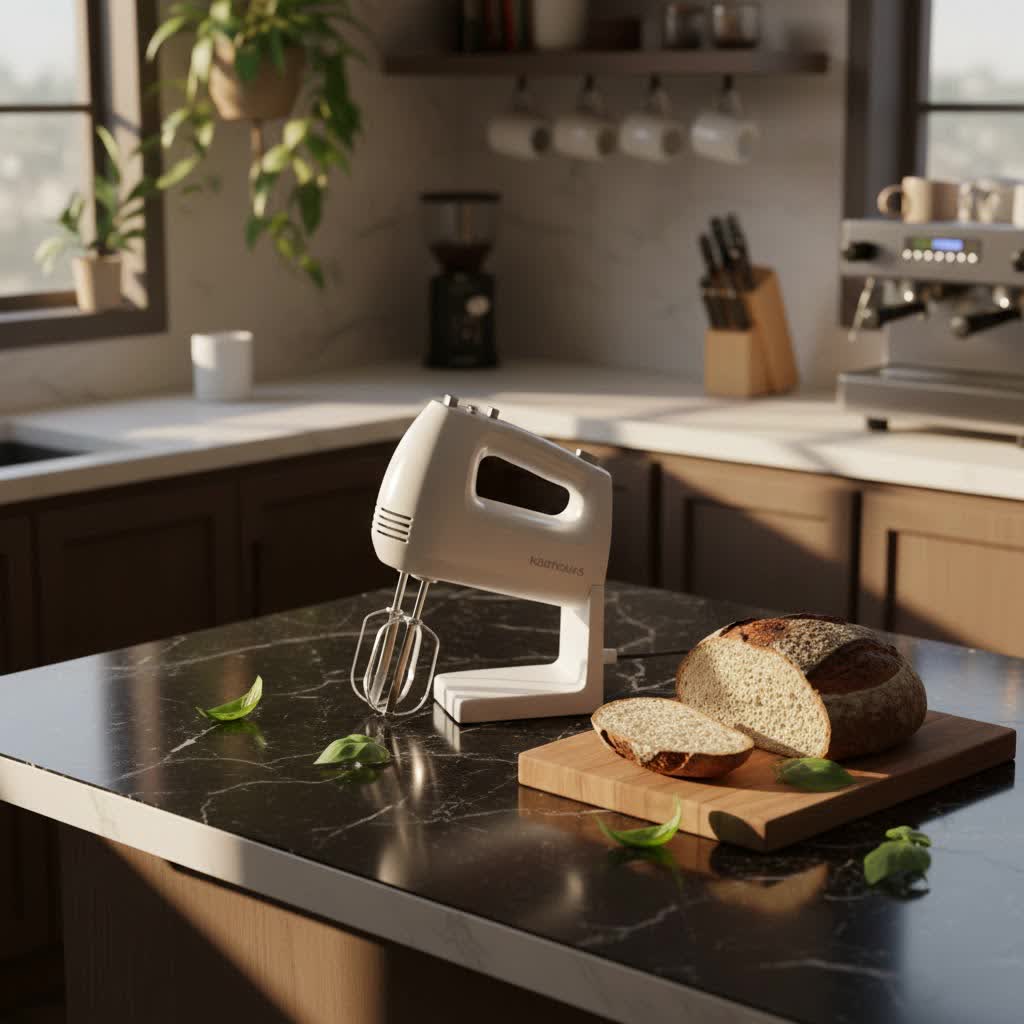
Handheld Drink Mixers: Your Ultimate Guide to Choosing the Best
Understanding Handheld Drink Mixers: More Than Just Frothers
|
Our Picks for the Best Hand Mixer in 2026
As an Amazon Associate I earn from qualifying purchases.
|
||
| Num | Product | Action |
|---|---|---|
| 1 | KitchenAid 5 Ultra Power Speed Hand Mixer - KHM512, Empire Red |

|
| 2 | Hamilton Beach 6-Speed Electric Hand Mixer with Whisk, Dough Hooks and Easy Clean Beaters, Powerful 275 Watt Motor, Snap-On Storage Case, Black |
|
| 3 | KitchenAid 5-Speed Ultra Power Hand Mixer |
|
| 4 | Hamilton Beach 6-Speed Electric Hand Mixer with Whisk, Dough Hooks and Easy Clean Beaters, Powerful 275 Watt Motor, Snap-On Storage Case, Blue |
|
| 5 | KitchenAid 5 Ultra Power Speed Hand Mixer - KHM512, Aqua Sky |
|
| 6 | KitchenAid 5-Speed Ultra Power Hand Mixer - KHM512, Contour Silver |
|
| 7 | Hamilton Beach 6-Speed Electric Hand Mixer with Whisk, Traditional Beaters, Snap-On Storage Case, 250 Watts, White |
|
| 8 | Mity Rain 4-in-1 Frother for Protein Powder, Adjustable-Waterproof, Protein Powder Scoop Funnel Set, Detachable Rechargeable Protein Mixer Wand for Coffee, Matcha, Milk, and Drinks |
|
| 9 | 5-Speed Electric Hand Mixer, 800W Handheld Mixer with Turbo for Baking & Cooking, Kitchen Food Mixer with Storage Case & 5 Stainless Steel Attachments (2 Beaters, 2 Dough Hooks, 2 Whisks)-White |
|
| 10 | Hamilton Beach 6-Speed Electric Hand Mixer with Whisk, Dough Hooks and Easy Clean Beaters, Powerful 275 Watt Motor, Snap-On Storage Case, White |
|
Handheld drink mixers are compact, battery-operated or rechargeable devices designed to quickly blend, whisk, or froth liquids. While often associated with creating creamy milk foam for lattes and cappuccinos, their utility extends far beyond the coffee bar. From perfectly smooth protein shakes and vibrant matcha tea to well-emulsified salad dressings and light scrambled eggs, these portable tools offer remarkable versatility for everyday kitchen tasks. They provide a convenient alternative to larger, bulkier appliances, allowing for quick preparation and easy cleanup directly in your cup or bowl.
Types of Handheld Drink Mixers
When exploring handheld drink mixers, you’ll encounter a few primary types, each with its own advantages tailored to different user needs. Understanding these distinctions is key to making an informed choice.
- Battery-Operated Mixers: These are typically powered by AA or AAA batteries, offering ultimate portability and cordless convenience. They are generally more affordable and lightweight, making them ideal for travel or occasional use. However, the downside is the recurring cost and environmental impact of replacing batteries, alongside a potential decrease in power as batteries drain.
- Rechargeable Mixers (USB-C or Micro-USB): Gaining popularity, these mixers feature built-in rechargeable batteries, usually charged via a USB cable. They eliminate the need for disposable batteries, offering a more eco-friendly and often more powerful option. While their initial cost might be slightly higher, the long-term savings and consistent performance make them a favorite for frequent users. Some advanced models boast impressive battery life, lasting weeks or even months on a single charge.
- Basic Single-Speed Mixers: Many entry-level handheld mixers offer a single “on/off” speed. These are perfectly adequate for simple frothing tasks, like milk for coffee or whisking a single egg. They are straightforward to operate and typically the most budget-friendly option.
- Advanced Multi-Speed or Variable-Speed Mixers: For those seeking more control, multi-speed models provide different power levels, allowing you to tailor the mixing intensity to your ingredients. Variable-speed mixers offer even finer control, often with a trigger-style button that lets you precisely adjust RPMs for delicate froths or robust blending. These are excellent for achieving barista-grade microfoam or thoroughly mixing thicker liquids.
Key Features to Look for When Buying a Handheld Drink Mixer
Choosing the right handheld drink mixer involves considering several factors to ensure it meets your specific beverage-making demands. Focusing on these key features will help you find a tool that delivers both performance and convenience.
Power and Speed (RPM)
The power of a handheld mixer is often measured in RPMs (revolutions per minute) and directly impacts its efficiency and versatility. Higher RPMs generally translate to quicker and denser frothing or mixing.
- Lower Speeds (around 10,000 RPM): Ideal for gently incorporating protein powders, mixing matcha, or creating light foams. These speeds minimize splatter and provide better control for delicate ingredients.
- Higher Speeds (15,000 – 23,000 RPM): Excellent for rapidly creating rich, dense milk froth, whipping cream, or tackling thicker liquids. Models with a “turbo” boost or variable speed settings allow you to switch between these intensities, offering optimal results for various applications.
Attachments and Durability
Most handheld drink mixers come with a whisk attachment, typically a coiled wire or a double-spring design. Some advanced models may offer interchangeable whisk heads, like a helical whisk for microfoam or a hook whisk for thicker batters. Look for attachments made from high-grade stainless steel (e.g., 304 or 18/10 food-safe material) for rust resistance and durability. The overall build quality, including the handle material (often ABS plastic for a non-slip grip), contributes to the device’s longevity and ergonomic comfort.
Ease of Use and Cleaning
A truly great handheld mixer simplifies your routine. Look for models with:
- Simple One-Button Operation: Effortless initiation, speed modulation, and disengagement are crucial for a user-friendly experience.
- Detachable Whisk Heads: These make cleaning a breeze, often allowing you to simply rinse the whisk under running water or place it in the dishwasher.
- Splash-Free Design: Good mixers are engineered to minimize splatter, keeping your counter clean, even at higher speeds. Some can even “self-clean” by running the whisk in soapy water.
Portability and Storage
The compact nature of handheld mixers is a major advantage. Consider:
- Size and Weight: Lighter, slimmer designs are easier to handle and store.
- Included Stand or Travel Case: A stand keeps your mixer readily accessible on the counter, while a travel case is invaluable for on-the-go use, protecting the whisk and device.
- Cordless Design: Both battery-operated and rechargeable models offer freedom from power outlets, enhancing portability.
Battery Life/Power Source
This is a critical consideration for cordless convenience.
- Disposable Batteries: While offering immediate power, frequent battery changes can be inconvenient and costly. Look for models with efficient power consumption to extend battery life.
- Rechargeable Batteries: A powerful 1500mAh battery can last for a significant period, sometimes up to a year with daily frothing on just a few charges. USB-C charging is often preferred for its speed and universality.
Top Handheld Drink Mixers for Every Need
While specific models and brands can fluctuate in availability and ratings, certain names consistently stand out for their performance and user satisfaction in the handheld drink mixer category. Brands like PowerLix, Zulay Kitchen, Typhur InstaWisk, and Subminimal NanoFoamer are frequently cited for their robust motors, quality construction, and ability to create impressive froths and mixes. Many offer powerful RPMs (up to 19,000-23,000), ergonomic designs, and durable stainless steel whisks, catering to both coffee enthusiasts and those mixing protein shakes. When choosing, checking recent reviews for features like battery life, noise level, and ease of cleaning will provide the most up-to-date insights.
Handheld Drink Mixers vs. Immersion Blenders: What’s the Difference?
While both are handheld kitchen tools, a handheld drink mixer and an immersion blender serve fundamentally different purposes and are not interchangeable.
| Feature | Handheld Drink Mixer | Immersion Blender (Stick Blender) |
|---|---|---|
| Primary Function | Whipping, frothing, aerating, light mixing | Blending, pureeing, emulsifying, crushing soft solids |
| Attachments | Whisk (coiled or spring-loaded), sometimes double | Blade (fixed or detachable), sometimes whisk/chopper attachments |
| Texture Achieved | Light, airy foam; smooth, well-combined liquids | Smooth purees; fully blended liquids; crushed soft foods |
| Best For | Coffee froths, cocktails, protein shakes, matcha, eggs, light batters, vinaigrettes | Soups, sauces, smoothies, baby food, mayonnaise, hummus |
| Power | Optimized for aeration and gentle mixing | Stronger motor for breaking down solids |
| Cleaning | Usually easy whisk rinse or dishwasher safe | Blades can be trickier; often detachable shaft for rinsing |
An immersion blender, with its blade at the end of a shaft, is designed to break down solids and blend ingredients directly in a pot or deep container. A handheld drink mixer, on the other hand, utilizes a whisk to incorporate air and combine liquids, ideal for creating fluffy textures or simply ensuring homogeneous mixing. If you frequently make creamy soups or sauces, an immersion blender is your go-to. If your focus is on perfectly frothed milk or lump-free shakes, the handheld drink mixer shines.
Maximizing Your Handheld Drink Mixer: Tips for Use and Maintenance
To get the most out of your handheld drink mixer and ensure its longevity, proper usage and care are essential.
Usage Tips
- For Frothing Milk: Use cold milk for the best froth. Submerge the whisk just below the surface and turn it on, slowly moving it up and down. This incorporates air and creates a stable foam. Avoid overfilling your cup to prevent spills.
- For Protein Shakes: Add your liquid first, then the powder. This helps prevent the powder from sticking to the bottom. Start on a lower speed if available, then increase to thoroughly mix without clumps.
- For Cocktails: A handheld mixer is excellent for rapidly aerating cocktails that traditionally require shaking, especially those with egg whites or cream. Use it before adding ice, then give a quick buzz with ice for chilling.
- For Matcha: Use warm (not boiling) water. Whisk in a “W” or “M” pattern to break up clumps and create a smooth, frothy tea.
> “The secret to an exceptionally frothy latte or a lump-free protein shake isn’t just a powerful mixer, but understanding the subtle dance of speed and submersion to achieve that perfect texture.” – Chef Elena Rodriguez, Culinary Innovations Specialist
Cleaning and Storage
- Immediate Rinse: The best way to clean most handheld mixers is immediately after use. Simply immerse the whisk end in a glass of warm, soapy water and turn the mixer on for a few seconds. Rinse thoroughly under clean water.
- Detachable Whisks: If your mixer has a detachable whisk, remove it and wash it by hand or place it in the dishwasher.
- Wipe Down the Handle: Use a damp cloth to wipe down the handle and motor unit, ensuring no liquid seeps into the electronics. Never submerge the entire motor unit in water.
- Proper Storage: Store your mixer in its dedicated stand (if it comes with one) or in a drawer where the whisk won’t get bent or damaged. This helps maintain its shape and efficiency.
Conclusion
A handheld drink mixer is a small yet mighty tool that can dramatically improve your daily beverage experience. Whether you’re chasing the perfect coffee shop-style froth, a smooth and nutritious shake, or a perfectly mixed cocktail, the right handheld drink mixer offers unmatched convenience and performance. By considering the types, features, and usage tips outlined in this guide, you’re well-equipped to select a model that suits your needs and elevates every sip. Why settle for less when a little handheld power can transform your drinks into masterpieces?
Frequently Asked Questions
What’s the ideal RPM for a handheld drink mixer?
The ideal RPM depends on your specific needs. For delicate tasks like mixing protein powder or matcha, around 10,000 RPM is sufficient. For creating dense milk foam for lattes or cappuccinos, models offering 15,000 RPM or higher, sometimes up to 23,000 RPM, will deliver faster and richer results. Variable speed options provide the most versatility.
Can a handheld drink mixer whip cream or eggs?
Absolutely! Many handheld drink mixers, especially those with higher RPMs or double whisks, are highly effective at whipping small batches of cream into fluffy peaks and beating eggs for omelets or light batters. Their compact size makes them perfect for single servings or smaller culinary tasks, saving you from pulling out a larger hand mixer or stand mixer.
