Homemade whipped cream elevates any dessert, adding a touch of airy elegance and delightful sweetness. While many envision a bulky stand mixer for this task, the truth is, your trusty hand mixer is often the perfect tool for achieving light, fluffy peaks. It’s accessible, efficient, and offers excellent control, making it a favorite for home bakers and seasoned chefs alike. If you’re looking to create perfect whipped cream without the fuss, understanding how to best utilize your hand mixer is key.
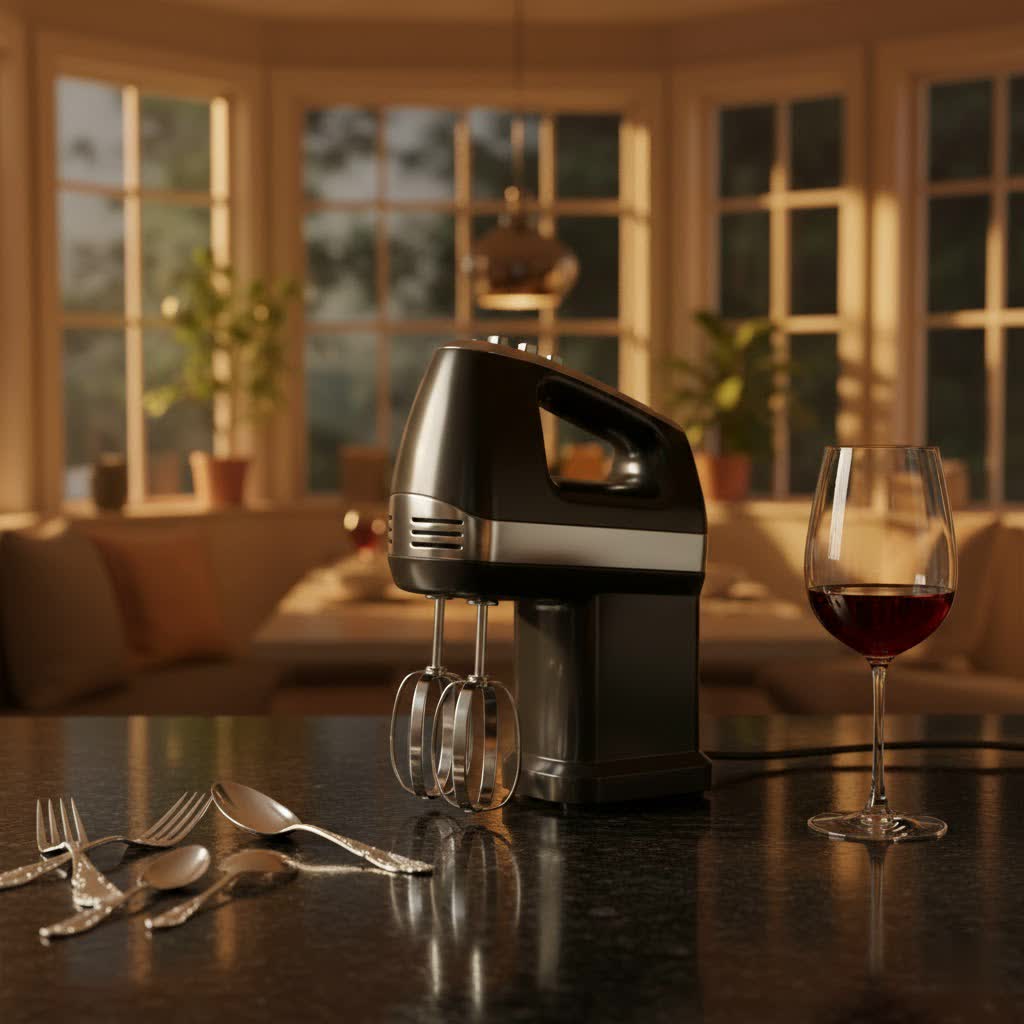
Why a Hand Mixer is Your Go-To for Whipped Cream
For many culinary tasks, a hand mixer stands out as an incredibly practical and versatile kitchen appliance. When it comes to whipping cream, its advantages truly shine. Unlike larger stand mixers, hand mixers provide superior control, allowing you to closely monitor the cream’s consistency and stop precisely when it reaches your desired peaks, minimizing the risk of over-whipping. This hands-on approach is invaluable, especially for delicate tasks like aerating cream.
Hand mixers are also ideal for preparing smaller to medium batches of whipped cream, typically 1 to 2 cups of heavy cream, which is perfect for topping a few servings of pie, a batch of cupcakes, or a warm mug of hot chocolate. Their portability means you can work directly in any bowl, whether it’s a small chilled one or a larger mixing bowl, offering flexibility that a stationary stand mixer cannot. Furthermore, hand mixers are significantly more affordable and take up far less storage space, making them a smart investment for any kitchen.
Key Features to Look for in a Hand Mixer for Whipping Cream
Choosing the right hand mixer can significantly impact your whipped cream results. While most hand mixers can get the job done, certain features enhance performance and ease of use, especially when whipping delicate dairy.
- Power and Speed Settings: Look for a hand mixer with adequate wattage, typically 150 watts or more, and multiple speed settings. A range of 5 to 9 speeds is ideal, allowing you to start on a low setting to prevent splattering and gradually increase to higher speeds for efficient aeration. A “SmoothStart” feature or very low initial speeds are particularly beneficial for gently incorporating ingredients without a mess.
- Beater Attachments: The type of beaters included is crucial. Many hand mixers come with traditional wire beaters, which work perfectly for whipping cream. However, some models offer specialized whisk-style or helix beaters designed to incorporate air more efficiently and provide greater surface area contact, leading to faster and fluffier results. A dedicated whisk attachment is a definite plus.
- Ergonomics and Weight: Since you’ll be holding the mixer, comfort is paramount. Choose a model with an ergonomic design and a comfortable grip. A lightweight mixer will reduce arm fatigue, especially during the few minutes it takes to whip cream to stiff peaks.
- Easy Cleanup: Dishwasher-safe beaters are a non-negotiable feature for quick and convenient cleanup after your baking endeavors.
- Cord Length and Swivel: A longer cord or one that swivels can provide greater maneuverability and prevent tangles, making the whipping process smoother and more adaptable to your kitchen setup.
Top Hand Mixers Highly Rated for Whipping Cream
When it comes to selecting a hand mixer that excels at whipping cream, several brands consistently receive high marks for their performance, design, and durability. Here’s a look at some of the best options available:
- BLACK+DECKER Helix Performance Premium 5-Speed Hand Mixer: Often highlighted as an excellent choice specifically for whipped cream, this mixer features an ergonomic design and unique helix beaters that offer double the surface area of traditional beaters. It’s lightweight, easy to handle, and includes a “power boost” button for tackling thicker mixtures, making it a stellar performer for light and airy cream.
- Cuisinart Power Advantage Plus 9-Speed Hand Mixer: This versatile hand mixer is a favorite for many baking tasks, including whipping cream. Its small but mighty whisk attachment is praised for producing airy whipped cream with minimal splashing. The SmoothStart feature and powerful motor ensure efficient mixing from gentle stirring to rapid whipping.
- Breville Handy Mix Scraper: While often on the higher end of the price spectrum, the Breville Handy Mix Scraper is celebrated for its powerful, quiet operation and intelligent “Beater IQ” technology, which senses the attachment and adjusts speed accordingly. Its silicone-coated beaters minimize clanking against the bowl and contribute to some of the fluffiest whipped cream results in testing.
- Braun MultiMix 5 Hand Mixer: Known for its “MultiWhisk” beaters, which combine whisking and beating functions, the Braun MultiMix 5 offers excellent control with nine-speed options. Its design allows for effective air incorporation and easy cleaning, making it a reliable tool for creamy, well-whipped results.
- KitchenAid 5 or 9-Speed Hand Mixer: KitchenAid is a household name in mixers, and their hand mixer models are no exception. Available in various speeds and iconic colors, these mixers typically come with wire beaters or whisk attachments that perform admirably for whipping cream. They are sturdy, dependable, and backed by a trusted brand warranty.
- Hamilton Beach 6-Speed Electric Hand Mixer: For bakers on a budget, the Hamilton Beach 6-Speed is a standout value. Despite its affordable price, it performs well for whipping cream, offering six speeds and a “QuickBurst” button for an extra surge of power. Its design also allows it to rest on the edge of a bowl, keeping your counter clean.
Here’s a quick comparison of these top hand mixers for whipping cream:
| Brand/Model | Key Feature for Whipping Cream | Speeds | Approx. Price (USD) |
|---|---|---|---|
| BLACK+DECKER Helix | Helix beaters, ergonomic | 5 | $50-$60 |
| Cuisinart Power Advantage Plus | Small whisk, SmoothStart | 9 | $80-$100 |
| Breville Handy Mix Scraper | Beater IQ, silicone-coated beaters | 9 | $130-$160 |
| Braun MultiMix 5 | MultiWhisk beaters, good control | 9 | $90-$120 |
| KitchenAid Ultra Power/9-Speed | Reliable wire beaters, sturdy | 5-9 | $40-$70 |
| Hamilton Beach 6-Speed | Budget-friendly, QuickBurst | 6 | $25-$35 |
The Art of Whipping Cream with a Hand Mixer: Step-by-Step Guide
Whipping cream to perfection with a hand mixer is a simple process, but a few key steps and tips can make all the difference in achieving that ideal light and airy texture.
Preparation is Key
- Chill Everything: The golden rule for whipped cream is cold, cold, cold. Start with very cold heavy cream, straight from the refrigerator. For best results, chill your mixing bowl (preferably a metal one, as it retains cold better) and your hand mixer’s beaters in the freezer for 10-15 minutes before you begin. This helps the fat in the cream emulsify more efficiently and speeds up the whipping process.
- Ingredients: Typically, for every 1 cup of heavy cream, you’ll want to add 1-2 tablespoons of powdered sugar (also known as confectioners’ sugar) and ½ to 1 teaspoon of vanilla extract. Powdered sugar dissolves easily and can help stabilize the whipped cream, while vanilla adds a classic flavor.
|
Our Picks for the Best Hand Mixer in 2026
As an Amazon Associate I earn from qualifying purchases.
|
||
| Num | Product | Action |
|---|---|---|
| 1 | KitchenAid 5 Ultra Power Speed Hand Mixer - KHM512, Empire Red |

|
| 2 | Hamilton Beach 6-Speed Electric Hand Mixer with Whisk, Dough Hooks and Easy Clean Beaters, Powerful 275 Watt Motor, Snap-On Storage Case, White |
|
| 3 | KitchenAid 5-Speed Ultra Power Hand Mixer - KHM512, Contour Silver |
|
| 4 | KitchenAid 5 Ultra Power Speed Hand Mixer - KHM512, Aqua Sky |
|
| 5 | Hamilton Beach 6-Speed Electric Hand Mixer with Whisk, Dough Hooks and Easy Clean Beaters, Powerful 275 Watt Motor, Snap-On Storage Case, Black |
|
| 6 | Mity Rain 4-in-1 Frother for Protein Powder, Adjustable-Waterproof, Protein Powder Scoop Funnel Set, Detachable Rechargeable Protein Mixer Wand for Coffee, Matcha, Milk, and Drinks |
|
| 7 | Hamilton Beach 6-Speed Electric Hand Mixer with Whisk, Traditional Beaters, Snap-On Storage Case, 250 Watts, White |
|
| 8 | Hamilton Beach 6-Speed Electric Hand Mixer with Whisk, Dough Hooks and Easy Clean Beaters, Powerful 275 Watt Motor, Snap-On Storage Case, Blue |
|
| 9 | 5-Speed Electric Hand Mixer, 800W Handheld Mixer with Turbo for Baking & Cooking, Kitchen Food Mixer with Storage Case & 5 Stainless Steel Attachments (2 Beaters, 2 Dough Hooks, 2 Whisks)-White |
|
| 10 | KitchenAid 5-Speed Ultra Power Hand Mixer |
|
Whipping Process
- Combine Ingredients: Pour the cold heavy cream into your chilled mixing bowl. Add the powdered sugar and vanilla extract.
- Start Low: Attach the chilled beaters to your hand mixer. Begin mixing on the lowest speed setting for about 30 seconds to a minute. This gently combines the ingredients and prevents splattering as the cream is still liquid.
- Increase Speed Gradually: Once the ingredients are combined and no longer prone to splashing, gradually increase the mixer speed to medium or medium-high.
- Move the Mixer: Unlike a stand mixer, you need to actively move your hand mixer around the bowl. Continuously move the beaters in a circular motion, ensuring all the cream is being whipped evenly and air is incorporated throughout.
- Watch for Peaks: Pay close attention to the cream’s consistency.
- Soft Peaks: After a few minutes, the cream will start to thicken, and when you lift the beaters, soft mounds will form and gently collapse. This is great for folding into mousses or fillings.
- Medium Peaks: Continue whipping, and the cream will become thicker and more structured. When you lift the beaters, the peaks will hold their shape but still have a slight curl at the tip. This is a versatile consistency for many desserts.
- Stiff Peaks: For firm, pipeable whipped cream, keep whipping until the peaks stand straight up when you lift the beaters. The cream will be dense and hold its shape perfectly.
- Avoid Over-Whipping: This is the critical stage! Whipped cream can quickly go from perfect to grainy or even turn into butter if you overmix it. Stop immediately once you reach your desired peak consistency. If you notice it becoming clumpy or yellowish, you’ve gone too far.
Tips for Success
- Don’t Overfill: Ensure your mixing bowl is large enough to accommodate the cream, as it will approximately double in volume. Overfilling can lead to spills and uneven whipping.
- Stabilize Your Cream: For whipped cream that holds its shape longer, especially in warmer conditions or on layered cakes, consider adding a stabilizer. Beyond powdered sugar, a small amount of unflavored gelatin (½ teaspoon per cup of heavy cream, dissolved first) can make your whipped cream last for days without weeping.
- Taste and Adjust: Always taste your whipped cream before serving. Adjust sweetness by adding more powdered sugar if desired, mixing briefly on low speed to incorporate.
- Small Batches are Best: Hand mixers truly shine with smaller volumes of cream. If you need a very large batch, a stand mixer might save you some arm fatigue.
Hand Mixer vs. Stand Mixer: Which Wins for Whipped Cream?
The debate between hand mixers and stand mixers is a common one in the baking world, especially for a seemingly simple task like whipping cream. Both have their merits, but for whipped cream, one often holds a slight edge depending on your needs.
Hand Mixer Strengths:
- Control and Agility: Hand mixers offer unparalleled control. You can direct the beaters precisely where needed, ensuring all the cream is incorporated evenly. This hands-on feel is excellent for preventing over-whipping, as you can see and feel the cream’s texture develop.
- Ideal for Small Batches: For 1 to 2 cups of heavy cream, a hand mixer is perfectly sized. Stand mixers, especially larger models, sometimes struggle to make sufficient contact with small amounts of liquid, leading to longer whipping times or less consistent results.
- Quick Setup and Cleanup: Hand mixers are lighter and quicker to pull out for a spontaneous baking project. Their beaters are usually easy to wash, and the compact size means less counter space occupied and fewer parts to clean.
- Portability: You can whip cream in any suitable bowl, directly where you need it, which is a huge convenience.
- Cost-Effective: Hand mixers are significantly more affordable than stand mixers, making them an excellent entry-level or supplementary tool.
Stand Mixer Strengths:
- Hands-Free Operation: The primary advantage of a stand mixer is its ability to mix hands-free, allowing you to multitask while the cream whips.
- Power for Large Batches: If you’re regularly whipping large quantities of cream (more than 2-3 cups), a stand mixer’s powerful motor and larger bowl capacity make it a more efficient choice.
- Versatility: While excellent for cream, stand mixers also handle heavy doughs and batters with ease, offering a wider range of culinary applications with various attachments.
Conclusion: For the average home baker preparing everyday desserts, a hand mixer is often the superior choice for whipping cream. It offers the precision, portability, and convenience needed for perfect results without the larger investment or counter footprint of a stand mixer. While a stand mixer can certainly whip cream, its power can sometimes make it easier to over-whip, and it may not be as efficient for smaller volumes.
Maintaining Your Hand Mixer for Optimal Whipping Performance
Proper care ensures your hand mixer remains a reliable kitchen companion for years to come. Maintaining it is straightforward and helps guarantee optimal performance every time you whip up a batch of cream.
- Clean Immediately: After each use, remove the beaters and wash them promptly. Most beaters are dishwasher-safe, or you can quickly hand wash them with warm, soapy water. Rinsing them right away prevents cream residue from drying and hardening, which can be more challenging to remove later.
- Wipe Down the Unit: Use a damp cloth to wipe the main body of the hand mixer. This removes any splatters or dust. Avoid submerging the motor unit in water. For stubborn spots, a mild detergent on the cloth can be effective. Ensure the unit is completely dry before storing.
- Proper Storage: Store your hand mixer and its attachments in a dry place. Many models come with a snap-on case or a drawstring bag for beaters and other accessories, which is excellent for keeping everything organized and preventing loss or damage. This also protects the motor and electrical components from dust and moisture.
By following these simple maintenance tips, your hand mixer will be ready to whip up light, airy cream whenever inspiration strikes.
Conclusion
The humble hand mixer proves to be an indispensable tool for anyone who loves the simple luxury of homemade whipped cream. Its precision, portability, and ease of use make it the ideal choice for achieving perfectly light and fluffy results, especially for typical home baking needs. From its ability to provide fine control over peak stiffness to its compact storage, the hand mixer empowers you to effortlessly elevate your desserts.
So, next time you reach for that carton of heavy cream, remember that perfect peaks are just a few minutes away with your hand mixer. What delicious creation will you top with fresh whipped cream today?
Frequently Asked Questions
How long does it take to whip cream with a hand mixer?
Whipping cream with a hand mixer typically takes between 3 to 8 minutes, depending on the speed setting, the quantity of cream, and the desired stiffness of your peaks (soft, medium, or stiff). Always monitor closely to avoid over-whipping.
What’s the best speed for whipping cream?
Start your hand mixer on the lowest speed to gently combine the cream, sugar, and vanilla without splashing. Once combined, gradually increase the speed to medium-high to efficiently incorporate air and achieve your desired peak consistency.
Can I whip non-dairy cream with a hand mixer?
Yes, a hand mixer is perfectly suitable for whipping most non-dairy cream alternatives like coconut cream or vegan whipping cream. Ensure the product is well-chilled, and follow the package instructions as whipping times and methods can sometimes vary from dairy cream.
Why is my whipped cream not getting stiff?
Several factors can prevent your cream from stiffening: the cream might not be cold enough, your bowl or beaters might not be chilled, or the cream may not have a high enough fat content (ensure it’s “heavy cream” or “heavy whipping cream” with at least 36% fat).
How do I stabilize whipped cream?
To make whipped cream hold its shape longer and prevent it from weeping, incorporate powdered sugar instead of granulated sugar. For extra stability, especially in warmer conditions, you can dissolve a small amount of unflavored gelatin (about ½ teaspoon per cup of cream) into a tablespoon of warm water, then cool it slightly before slowly adding it to the cream while whipping.
Can I use a hand mixer for other light tasks?
Absolutely! Hand mixers are excellent for a variety of light to medium tasks beyond whipping cream, including beating eggs for omelets, mixing cake batters, making frosting, combining dressings, or mashing softer foods like cooked potatoes or bananas.
