Step into a kitchen where timeless aesthetics meet contemporary functionality with a retro hand mixer. For many, baking is more than just following a recipe; it’s an experience steeped in nostalgia, evoking memories of grandmothers’ kitchens and homemade treats. A retro hand mixer perfectly captures this sentiment, offering the iconic style of yesteryear combined with the power and convenience of modern appliances. If you’re looking to infuse your culinary space with a touch of classic elegance without sacrificing performance, choosing the right retro hand mixer is key. This comprehensive guide will help you navigate the options, highlighting what makes these stylish tools a beloved addition to any kitchen.
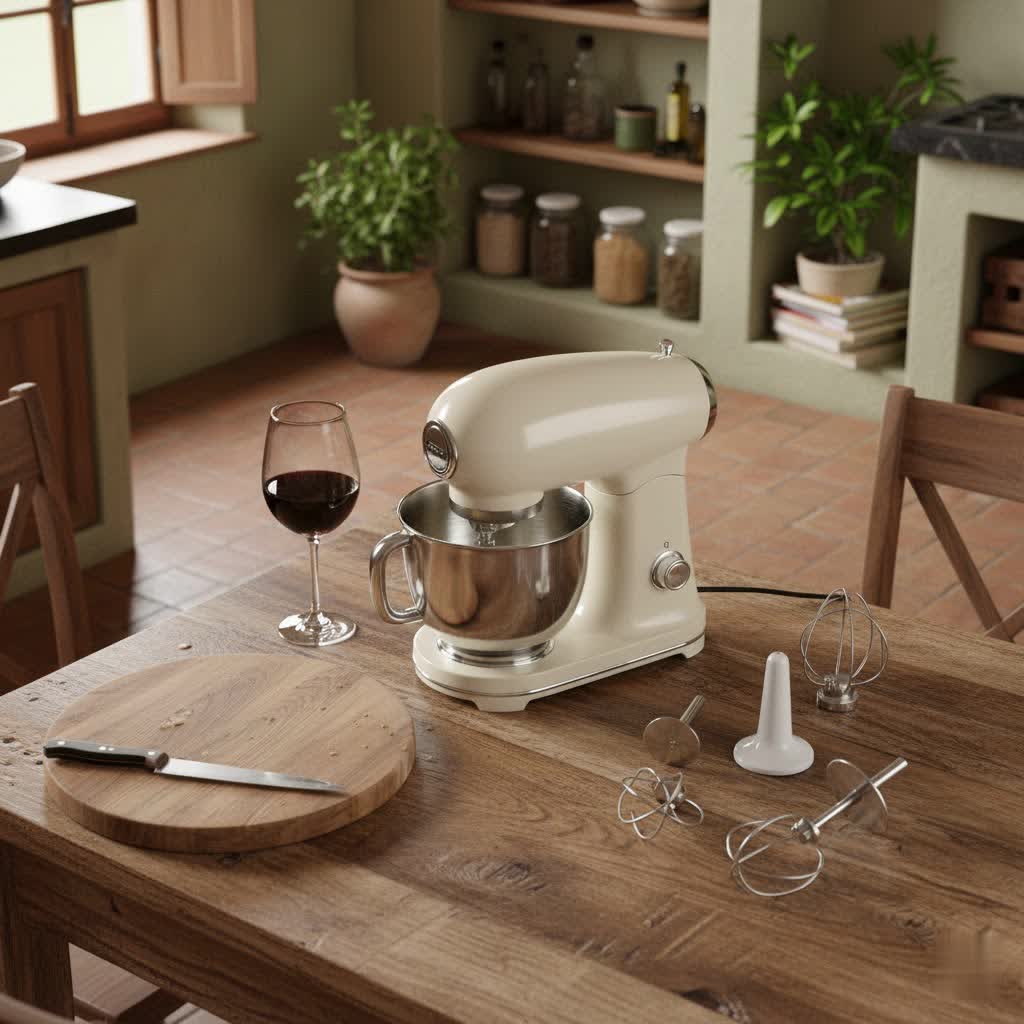
Retro Hand Mixers: A Blend of Style and Substance
Retro hand mixers are a distinct category of kitchen appliances designed to replicate the charming aesthetics of the mid-20th century, particularly the 1950s and 60s, while incorporating up-to-date technology. These mixers appeal to those who appreciate a nostalgic design, vibrant pastel colors, and a sturdy, classic build that stands out from sleek, minimalist modern designs. They serve as both a functional baking tool and a statement piece for your countertop. The primary allure lies in their ability to marry visual appeal with practical utility, proving that kitchen tools can be both beautiful and highly effective. Brands like Smeg have pioneered this blend, becoming synonymous with the retro hand mixer aesthetic.
Popular Types of Retro Hand Mixers
When exploring the world of retro hand mixers, you’ll primarily encounter modern appliances crafted with a vintage look, alongside a niche market for genuine antique models.
- Modern Retro-Style Hand Mixers: These are the most common and practical choice. Brands meticulously design them to evoke a specific era, often featuring chrome accents, ergonomic handles, and vibrant color palettes reminiscent of 1950s diners or mid-century homes. Despite their old-school appearance, they come equipped with contemporary motors, multiple speed settings, and various attachments, ensuring they handle today’s recipes with ease. The Smeg 50’s Retro Style Electric Hand Mixer is a prime example, celebrated for its robust design and functional features.
- Aesthetic-Focused Models: While performing well for everyday tasks, some retro mixers prioritize design above all else. These are perfect for light baking and whisking, where the visual impact is as important as the performance. They often feature thoughtful design elements like backlit LED displays and smooth controls, enhancing the user experience.
- Truly Vintage/Antique Hand Mixers: For collectors or those seeking absolute authenticity, genuine vintage hand mixers from brands like Sunbeam or General Electric (GE) can still be found. These often boast incredible durability and a powerful, no-frills performance. However, they may lack modern safety features, attachment versatility, or the convenience of readily available replacement parts. While charming, they are typically less practical for regular, demanding use in a modern kitchen.
Comparing Top Retro Hand Mixer Brands
While many brands offer excellent hand mixers, very few truly capture the distinct “retro” aesthetic as comprehensively as Smeg. Its 50’s Retro Style Hand Mixer is often the benchmark for this category, setting a high standard for design and performance within its niche.
| Brand | Model (Example) | Key Features | Design | Power | Price Range | Pros | Cons |
|---|---|---|---|---|---|---|---|
| Smeg | 50’s Retro Style Hand Mixer | 9 speeds, LED display with timer, smooth start | Iconic 50s, pastel/bright colors | 220W | Premium | Exceptional style, versatile attachments, user-friendly controls | Can be heavy, price is high, not always the most powerful for heavy dough |
| KitchenAid | 9-Speed Digital Hand Mixer | 9 speeds, soft-start, accessory bag, turbo | Classic, robust, traditional colors | 250W | Mid-to-High | Reliable performance, durable, wide range of attachments | More classic than explicitly “retro” in aesthetic |
| Hamilton Beach | 6-Speed Electric Hand Mixer | 6 speeds, QuickBurst, snap-on storage case | Practical, modern, some classic shapes | 250W | Budget-friendly | Good value, comfortable grip, effective for basic tasks | Lacks true retro design, can be louder than premium models |
Smeg’s HMF01 Hand Mixer, for instance, offers nine speed settings, an intuitive backlit LED screen that displays both speed and usage time, and an ergonomic anti-slip handle. While its 220W motor handles most tasks efficiently, some professional reviews note that it might not be the absolute powerhouse for very heavy doughs compared to certain higher-wattage, non-retro counterparts. Nevertheless, its undeniable style and solid build quality make it a favorite for those prioritizing aesthetic integration with reliable everyday performance.
“The Smeg hand mixer marries 1950s style with cutting-edge technology. Designed by Matteo Bazzicalupo and Raffaella Mangiarotti of Deepdesign, this mixer stands out for its aesthetic.” – Serious Eats
How to Choose the Perfect Retro Hand Mixer
Selecting a retro hand mixer involves balancing nostalgic appeal with practical considerations for your baking needs. Here are the key factors to evaluate:
- Power and Speed: For most home baking, a hand mixer with 200-300 watts of power and at least 5-9 speed settings is sufficient. Lower speeds are crucial for gradually incorporating ingredients like flour without creating a mess, while higher speeds are essential for whipping cream or egg whites to stiff peaks. A turbo function can provide an extra boost when needed.
- Material and Design: The hallmark of a retro hand mixer is its aesthetic. Look for models with durable metal bodies, chrome accents, and vibrant color options that complement your kitchen decor. An ergonomic handle is vital for comfort, especially during longer mixing tasks. While appearance is key, ensure the build quality feels sturdy and robust.
- Attachments: Most retro hand mixers come with a standard set of chrome beaters and wire whisks. For more versatility, look for models that also include dough hooks for kneading lighter doughs. A storage case for attachments is a convenient bonus, helping keep your kitchen organized.
- User-Friendly Features: Modern conveniences within a retro shell enhance the experience. Features like a soft-start function prevent splatters, while an LED display and timer help you track mixing duration precisely. Easy-to-use controls, whether buttons or a dial, contribute to overall user satisfaction.
- Budget: Retro-styled appliances, particularly from premium brands, often come with a higher price tag. Determine your budget and seek out the best combination of features, performance, and aesthetic appeal within that range. Remember that investing in a quality appliance can mean greater durability and a more enjoyable baking experience in the long run.
Top Retro Hand Mixers Recommended by Experts
When it comes to distinct retro style combined with modern performance, the Smeg 50’s Retro Style Electric Hand Mixer stands out as the unanimous top choice.
This mixer is celebrated for its impeccable 1950s design, available in a range of attractive pastel and bold colors that can truly elevate your kitchen’s aesthetic. Beyond its striking looks, it offers a solid performance for everyday baking tasks. It features nine speed levels, providing ample control for various recipes, from delicate batters to semi-hard doughs. The backlit LED display with a timer is a thoughtful modern addition that enhances usability, allowing for precise mixing. Users often praise its comfortable grip and the convenience of included attachments, such as two balloon whisks, two beaters, and two dough hooks, all stored neatly in a personalized fabric case. While some tests indicate it might not be the most powerful option for very heavy-duty tasks compared to certain high-wattage competitors, its blend of style, power, and functionality makes it an excellent choice for home bakers who value both form and function.
Tips for Using and Maintaining Your Retro Hand Mixer
To ensure your retro hand mixer provides years of reliable performance and maintains its charming appearance, proper use and maintenance are essential.
- Read the Manual: Always start by consulting your specific mixer’s user manual. It contains crucial information on operation, safety, and care tailored to your model.
- Start Slow: Utilize the lowest speed setting when first engaging your mixer, especially with dry ingredients, to prevent flour clouds or splattering. Gradually increase the speed as ingredients combine.
- Don’t Overload: While retro hand mixers are designed for various tasks, avoid pushing them beyond their recommended capacity, particularly for very thick doughs that might strain the motor.
- Proper Attachment Selection: Use balloon whisks for aerating mixtures like egg whites or cream, beaters for batters and semi-hard doughs, and dough hooks for kneading leavened doughs. Using the correct attachment optimizes performance and protects your mixer.
- Clean Immediately: After each use, detach the beaters and wash them promptly. Many attachments are dishwasher-safe, but confirm this in your manual. Wipe the mixer body with a damp cloth to remove any splatters, ensuring it’s unplugged first. Avoid submerging the motor unit in water.
- Store Properly: Store your mixer and its attachments in a dry place. Many models come with a snap-on case or a fabric bag for organized storage, which also protects them from dust and damage.
Retro Hand Mixer vs. Stand Mixer: Which is Right for You?
Deciding between a retro hand mixer and a stand mixer often comes down to your baking frequency, kitchen space, and budget. Both have distinct advantages.
Retro Hand Mixer:
- Pros: Hand mixers are typically more compact, lightweight, and easier to store, making them ideal for smaller kitchens or those with limited counter space. They are generally more affordable than stand mixers. Their portability allows you to mix ingredients directly in various bowls. For lighter tasks like whipping cream, mixing cake batter, or scrambling eggs, a hand mixer is highly efficient. The retro versions add a unique style statement without the footprint of a stand mixer.
- Cons: They require manual holding, which can be tiring during prolonged mixing tasks. Their power, while sufficient for most home baking, may be less robust for very heavy doughs compared to stand mixers.
Stand Mixer:
- Pros: Stand mixers offer hands-free operation, allowing you to multitask while ingredients mix. They usually boast more powerful motors and larger capacities, making them excellent for heavy doughs (like bread) and large batches. With a wider array of attachments, they can perform more specialized tasks beyond mixing, such as grinding meat or making pasta.
- Cons: They are significantly larger, heavier, and more expensive. They require dedicated counter space and are not portable. While some stand mixers come in retro designs (e.g., KitchenAid Artisan series), they are a bigger investment in both space and money.
If you are a casual baker, have limited space, or primarily engage in tasks like whipping, beating, and light mixing, a retro hand mixer offers the perfect blend of style, convenience, and functionality. If you frequently bake large quantities, make bread from scratch, or prefer hands-free operation, a stand mixer might be a more suitable, albeit larger, investment.
Conclusion
The retro hand mixer stands as a charming testament to the enduring appeal of classic design, proving that functionality doesn’t have to come at the expense of style. By thoughtfully combining the nostalgic aesthetics of bygone eras with the robust performance and convenient features of modern technology, these appliances offer a unique proposition for any home baker. Whether you’re drawn to the vibrant colors of the 50s or the sturdy build of mid-century machines, a retro hand mixer can elevate your kitchen’s look while effortlessly tackling your mixing needs. Embrace the blend of vintage charm and modern efficiency, and let your retro hand mixer become a cherished tool and a focal point in your culinary adventures. Which retro hand mixer will you choose to whisk up your next masterpiece?
Frequently Asked Questions
Are retro hand mixers as powerful as modern ones?
|
Our Picks for the Best Hand Mixer in 2026
As an Amazon Associate I earn from qualifying purchases.
|
||
| Num | Product | Action |
|---|---|---|
| 1 | Hamilton Beach 6-Speed Electric Hand Mixer with Whisk, Dough Hooks and Easy Clean Beaters, Powerful 275 Watt Motor, Snap-On Storage Case, Black |

|
| 2 | 5-Speed Electric Hand Mixer, 800W Handheld Mixer with Turbo for Baking & Cooking, Kitchen Food Mixer with Storage Case & 5 Stainless Steel Attachments (2 Beaters, 2 Dough Hooks, 2 Whisks)-White |
|
| 3 | KitchenAid 5-Speed Ultra Power Hand Mixer |
|
| 4 | KitchenAid 5-Speed Ultra Power Hand Mixer - KHM512, Contour Silver |
|
| 5 | Hamilton Beach 6-Speed Electric Hand Mixer with Whisk, Traditional Beaters, Snap-On Storage Case, 250 Watts, White |
|
| 6 | KitchenAid 5 Ultra Power Speed Hand Mixer - KHM512, Aqua Sky |
|
| 7 | Hamilton Beach 6-Speed Electric Hand Mixer with Whisk, Dough Hooks and Easy Clean Beaters, Powerful 275 Watt Motor, Snap-On Storage Case, Blue |
|
| 8 | Mity Rain 4-in-1 Frother for Protein Powder, Adjustable-Waterproof, Protein Powder Scoop Funnel Set, Detachable Rechargeable Protein Mixer Wand for Coffee, Matcha, Milk, and Drinks |
|
| 9 | KitchenAid 5 Ultra Power Speed Hand Mixer - KHM512, Empire Red |
|
| 10 | Hamilton Beach 6-Speed Electric Hand Mixer with Whisk, Dough Hooks and Easy Clean Beaters, Powerful 275 Watt Motor, Snap-On Storage Case, White |
|
Modern retro-style hand mixers are designed to offer comparable power to contemporary models for most home baking tasks, typically ranging from 200-300 watts. While some pure performance-focused modern mixers might boast slightly higher wattage for heavy-duty tasks, retro options like Smeg deliver reliable power for whipping, beating, and mixing various batters and light doughs.
What’s the best brand for a retro hand mixer?
Smeg is widely considered the leading brand for retro hand mixers, particularly their 50’s Retro Style Electric Hand Mixer. It is consistently praised for its iconic design, wide range of colors, and thoughtful features like multiple speed settings, an LED display, and ergonomic handling, making it a favorite among users seeking both style and substance.
Are retro hand mixers durable?
Modern retro hand mixers, especially those from reputable brands, are generally built with durability in mind, often featuring robust materials like metal bodies and high-quality components. While pure vintage mixers from the past were known for their indestructible nature, current retro models aim to combine that classic resilience with contemporary manufacturing standards, ensuring a long lifespan with proper care.
Can I use a retro hand mixer for bread dough?
Most retro hand mixers, especially those with dough hook attachments and sufficient power (around 200-250W), can handle light to medium bread doughs. However, for very stiff or large batches of bread dough, a stand mixer with a more powerful motor is generally recommended, as extended use with heavy dough can strain a hand mixer’s motor.
