For home bakers and culinary enthusiasts alike, the right tools can transform kitchen tasks from chores into joyful experiences. Among these, the hand mixer stands as a versatile and indispensable appliance, offering the perfect blend of power, portability, and precision for a multitude of recipes. While many brands vie for attention, the KitchenAid hand mixer consistently rises above, embodying a legacy of quality, innovative design, and robust performance that empowers you to whip, mix, and knead with confidence.
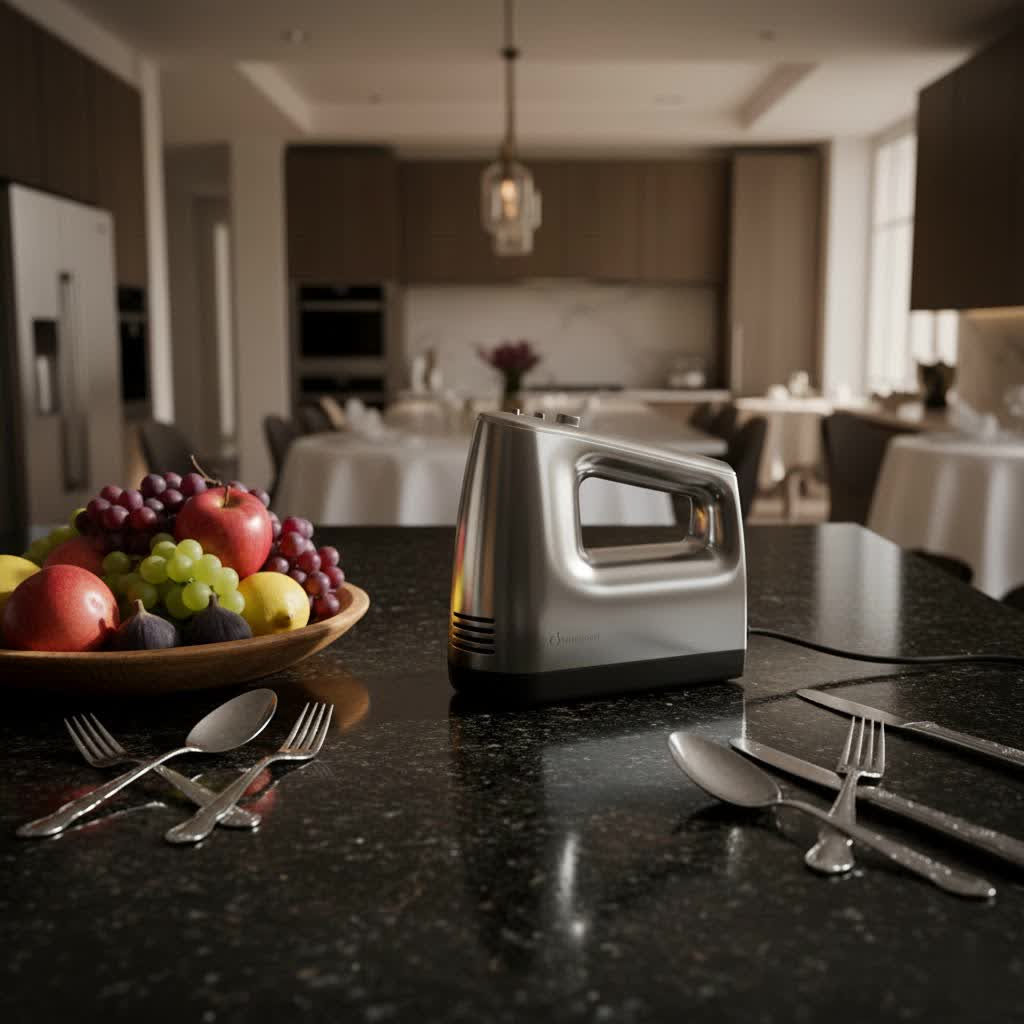
Whether you’re crafting delicate meringues, stirring hearty cookie dough, or preparing light batters, a KitchenAid hand mixer is engineered to deliver consistent, exceptional results. This comprehensive guide will explore the range of KitchenAid handheld models, delve into their standout features, provide a detailed buying guide, offer essential usage and maintenance tips, and even compare them to their stand mixer counterparts, ensuring you choose the perfect culinary companion for your kitchen adventures.
KitchenAid Hand Mixers: A Deep Dive into Versatility
KitchenAid has long been synonymous with kitchen excellence, and their hand mixers uphold this reputation with thoughtful engineering and durable construction. At the core of their design is a powerful motor, often a DC motor, ensuring quiet yet reliable operation over years of use. This power is paired with electronic speed controls, allowing for precise adjustments to tackle various ingredients and consistencies.
One of KitchenAid’s most appreciated innovations is the Soft Start™ feature. This intelligent control gradually brings the beaters up to your selected speed, preventing ingredients from splattering out of the bowl and making initial mixing a much cleaner process. Furthermore, KitchenAid hand mixers are designed with ergonomics in mind, featuring comfortable grips and balanced weights that reduce hand fatigue during extended use. They are compact, making them easy to store and a go-to choice for everyday tasks or smaller kitchens where counter space is at a premium.
Popular KitchenAid Hand Mixer Models Explained
KitchenAid offers a range of hand mixers, each tailored to different needs and preferences. While the core promise of quality and performance remains, key differences in speed, features, and design cater to every kind of baker.
KitchenAid 9-Speed Digital Hand Mixer
|
Our Picks for the Best Hand Mixer in 2026
As an Amazon Associate I earn from qualifying purchases.
|
||
| Num | Product | Action |
|---|---|---|
| 1 | Hamilton Beach 6-Speed Electric Hand Mixer with Whisk, Traditional Beaters, Snap-On Storage Case, 250 Watts, White |

|
| 2 | Hamilton Beach 6-Speed Electric Hand Mixer with Whisk, Dough Hooks and Easy Clean Beaters, Powerful 275 Watt Motor, Snap-On Storage Case, Blue |
|
| 3 | KitchenAid 5-Speed Ultra Power Hand Mixer - KHM512, Contour Silver |
|
| 4 | KitchenAid 5 Ultra Power Speed Hand Mixer - KHM512, Aqua Sky |
|
| 5 | KitchenAid 5-Speed Ultra Power Hand Mixer |
|
| 6 | Mity Rain 4-in-1 Frother for Protein Powder, Adjustable-Waterproof, Protein Powder Scoop Funnel Set, Detachable Rechargeable Protein Mixer Wand for Coffee, Matcha, Milk, and Drinks |
|
| 7 | Hamilton Beach 6-Speed Electric Hand Mixer with Whisk, Dough Hooks and Easy Clean Beaters, Powerful 275 Watt Motor, Snap-On Storage Case, Black |
|
| 8 | 5-Speed Electric Hand Mixer, 800W Handheld Mixer with Turbo for Baking & Cooking, Kitchen Food Mixer with Storage Case & 5 Stainless Steel Attachments (2 Beaters, 2 Dough Hooks, 2 Whisks)-White |
|
| 9 | Hamilton Beach 6-Speed Electric Hand Mixer with Whisk, Dough Hooks and Easy Clean Beaters, Powerful 275 Watt Motor, Snap-On Storage Case, White |
|
| 10 | KitchenAid 5 Ultra Power Speed Hand Mixer - KHM512, Empire Red |
|
Often considered the flagship corded model, the KitchenAid 9-Speed Digital Hand Mixer is a powerhouse of versatility. It features nine distinct speed settings, from a gentle stir for delicate ingredients like nuts and chocolate chips (Speed 1) to a robust whip for dense doughs (Speed 9). This wide range ensures you have the precise control needed for any recipe.
It typically comes with a comprehensive accessory pack, including stainless steel Turbo Beater™ accessories for thorough mixing, a Pro Whisk for whipping air into egg whites and creams, dough hooks for kneading yeast dough, and often a blending rod for smoothies and sauces. Users frequently praise its ability to handle everything from light meringues to heavy bread dough with remarkable efficiency. While it’s on the higher end of the hand mixer price spectrum, its durability, performance, and extensive attachment set often justify the investment for serious home bakers.
KitchenAid Cordless 7-Speed Hand Mixer
For those who value ultimate freedom and convenience, the KitchenAid Cordless 7-Speed Hand Mixer is a game-changer. Powered by a rechargeable lithium-ion battery, this mixer eliminates the hassle of cords, allowing you to move freely around your kitchen or even take your mixing tasks to different areas without being tethered to an outlet. It boasts up to 200 cookies on a full charge and can recharge from empty in approximately two hours.
With seven speeds and the Soft Start™ feature, it maintains KitchenAid’s commitment to control and performance. While slightly less powerful than some corded models for the toughest doughs, it excels at everyday tasks like whipping cream, mixing batters, and preparing dressings. Its minimalist, self-standing design also means it looks sleek on your countertop and keeps beaters lifted from the bowl when paused.
KitchenAid 6-Speed Hand Mixer with Flex Edge Beaters
A solid choice for everyday baking, the KitchenAid 6-Speed Hand Mixer offers a balance of essential features and performance. A notable inclusion in some models is the Flex Edge Beaters. These beaters are coated with silicone, which allows them to scrape the sides of the bowl as they mix, reducing the need to stop and manually scrape down ingredients. This results in faster and more thorough mixing, particularly for cake batters and cookie dough.
This model is often praised for its lighter weight, making it comfortable to hold for longer periods. It provides sufficient power for a variety of tasks, from light stirring to more intense beating, and often comes in a range of attractive colors to match your kitchen aesthetic.
Comparison: KitchenAid Hand Mixer vs. Other Brands
While KitchenAid holds a prominent position, the market features other reputable brands like Cuisinart, Breville, Braun, and Hamilton Beach, each with their own merits. Other brands may offer competitive pricing or specific features like built-in timers or unique whisk designs. For instance, the Breville Handy Mix Scraper is often noted for its powerful motor and integrated light.
However, KitchenAid often distinguishes itself through a combination of timeless design, robust build quality, and a consistent ecosystem of kitchen appliances. KitchenAid hand mixers are frequently lauded for their smooth, powerful motors, ergonomic comfort, and the included accessory sets. Their digital controls and Soft Start feature also provide a more refined user experience compared to simpler, slider-based controls found on some budget models. While KitchenAid might come with a higher price tag, it is generally seen as an investment in durability and reliable performance.
| Feature | KitchenAid 9-Speed Digital Hand Mixer | KitchenAid Cordless 7-Speed Hand Mixer | KitchenAid 6-Speed w/ Flex Edge Beaters |
|---|---|---|---|
| Power (Approx.) | High (Powerful DC motor) | Moderate (Lithium-ion battery) | Moderate (Efficient motor) |
| Speeds | 9 | 7 | 6 |
| Attachments | Turbo Beaters, Pro Whisk, Dough Hooks, Blending Rod | 2 Stainless Steel Turbo Beaters | Flex Edge Beaters, Pro Whisk (model dependent) |
| Key Features | Soft Start, Digital Control, Accessory Bag | Cordless, Rechargeable Battery, Self-Standing | Soft Start, Silicone-Coated Beaters |
| Ideal For | Versatile bakers, heavy-duty tasks | On-the-go mixing, small spaces, convenience | Everyday baking, efficient scraping |
| Price Point | Premium | High | Mid-range |
Choosing Your Ideal KitchenAid Hand Mixer
Selecting the perfect KitchenAid hand mixer involves weighing several factors against your individual baking habits and needs.
Power and Speed
Consider the types of ingredients you frequently work with. If you often tackle thick cookie doughs or yeast breads, a higher wattage and more speed options (like the 9-speed model) will be beneficial. For lighter tasks such as whipping cream or mixing thin batters, a 5 or 6-speed model is often perfectly adequate. The Soft Start™ feature is a significant advantage for preventing messes, regardless of the speed range.
Attachments
Evaluate the included accessories. All KitchenAid hand mixers come with standard beaters. However, if you plan to knead dough, look for models that include dough hooks. A whisk attachment is essential for achieving airy egg whites and fluffy creams. Some advanced models even offer a blending rod, adding an extra layer of versatility for soups and smoothies.
Ergonomics and Weight
You’ll be holding this appliance, so comfort is key. KitchenAid designs its mixers to be well-balanced with comfortable, soft-grip handles. If you find heavier appliances cumbersome, consider the lighter 6-speed models or the cordless option, which, despite its battery, is often noted for its manageable weight.
Corded vs. Cordless
This is a fundamental choice. A corded mixer offers continuous power and typically more brute force for demanding tasks. A cordless mixer provides unparalleled freedom of movement, making it ideal for smaller kitchens, multiple workstations, or those who dislike managing cords. Assess how often you bake and where you typically do your mixing.
Budget
KitchenAid hand mixers represent an investment in quality. While they may be pricier than some generic options, their durability and performance often provide better long-term value. Determine your budget and then explore the models that offer the best features within that range.
Top 3 KitchenAid Hand Mixers for Home Bakers
Based on performance, features, and user satisfaction, here are some of the most highly-regarded KitchenAid hand mixer models:
-
KitchenAid 9-Speed Digital Hand Mixer (KHM926)
- Pros: Exceptional power and control with 9 speeds, comprehensive accessory pack including blending rod, Soft Start feature, durable construction. Excels at various tasks from light to heavy.
- Cons: Higher price point, corded operation.
- Ideal User: Serious home bakers who need versatility, power, and a wide range of accessories for diverse recipes.
-
KitchenAid Cordless 7-Speed Hand Mixer (KHMB732)
- Pros: Ultimate freedom from cords, sleek design, self-standing, decent power for most tasks, Soft Start, quick recharge time.
- Cons: Less powerful than corded models for very dense doughs, fewer attachments than the 9-speed, battery life can vary with intensive use.
- Ideal User: Bakers seeking maximum convenience and portability, those with limited counter space, or a desire for a clutter-free kitchen.
-
KitchenAid 6-Speed Hand Mixer with Flex Edge Beaters
- Pros: Effective and efficient mixing due to Flex Edge Beaters, lighter weight for comfort, Soft Start, good value for everyday use.
- Cons: Fewer speed options than higher-end models, not designed for the heaviest doughs.
- Ideal User: Everyday bakers looking for reliable performance, ease of use, and efficient mixing without constant bowl scraping.
Mastering Your KitchenAid Hand Mixer: Tips and Maintenance
To get the most out of your KitchenAid hand mixer and ensure its longevity, proper usage and maintenance are crucial.
Usage Tips
- Start Slow: Always begin at the lowest speed (Speed 1, often a “Soft Start”) to gradually incorporate ingredients and prevent splattering, then increase speed as needed.
- Match Attachment to Task: Use beaters for general mixing and creaming, the whisk for aeration (egg whites, whipped cream), and dough hooks for kneading yeast dough. Refer to your mixer’s manual for recommended speeds for different tasks and attachments.
- Move Around the Bowl: Keep the mixer moving in a circular motion, occasionally tilting the bowl, to ensure all ingredients are evenly incorporated. The Flex Edge Beaters assist significantly with this.
- Don’t Overmix: Be mindful of mixing times, especially for batters and doughs. Overmixing can lead to tough baked goods.
- Allow for Cooling: For very long or strenuous mixing tasks, allow your mixer to rest to prevent overheating, especially with thick doughs.
Cleaning and Storage
- Unplug Before Cleaning: Always unplug your corded hand mixer (or ensure the cordless model is off) before detaching accessories and cleaning.
- Dishwasher-Safe Attachments: Most KitchenAid attachments (beaters, whisk, dough hooks, blending rods) are made from stainless steel and are dishwasher-safe for easy cleanup. Confirm with your specific model’s manual.
- Wipe Down the Body: Clean the mixer body with a damp cloth. Never immerse the mixer body in water.
- Proper Storage: Store your attachments in the provided storage bag or case (if applicable) to keep them organized and protected. Hand mixers are compact enough to store in a drawer or cabinet, or leave a stylish KitchenAid model on display.
Handheld vs. Stand Mixer: Which One Do You Need?
The perennial debate: hand mixer or stand mixer? Each has its distinct advantages, and the “best” choice depends entirely on your baking habits, kitchen space, and budget.
KitchenAid Hand Mixer Advantages:
- Portability & Compactness: Lightweight and easy to move, ideal for small kitchens or for mixing in various containers.
- Affordability: Generally less expensive than stand mixers, making them a more accessible option.
- Quick Tasks: Perfect for smaller batches, quick whipping of cream, beating eggs, or mixing light batters without the setup of a larger appliance.
- Easy Storage: Takes up minimal space, fitting easily into drawers or cabinets.
KitchenAid Stand Mixer Advantages:
- Power & Capacity: More powerful motors and larger bowls (up to 7 quarts) are perfect for handling heavy doughs (like bread dough), large batches, and dense mixtures without straining.
- Hands-Free Operation: Once started, a stand mixer works on its own, freeing your hands for other prep tasks, making it ideal for recipes requiring longer mixing times.
- Versatility with Attachments: KitchenAid stand mixers offer an extensive range of attachments (sold separately) that transform them into multi-purpose kitchen hubs for grinding meat, making pasta, spiralizing vegetables, and more.
- Stability: The stationary design provides superior stability for heavy mixing.
Which one should you choose?
If you’re an occasional baker, have limited counter space, or primarily make smaller batches of cookies, cakes, or whipped cream, a KitchenAid hand mixer is an excellent, cost-effective choice. It provides ample power and versatility for most home baking needs.
However, if you’re a frequent baker, enjoy making bread and large batches, or desire the convenience of hands-free operation and the extended versatility of numerous attachments, a KitchenAid stand mixer might be a more suitable investment. Many avid bakers find value in owning both, leveraging the hand mixer for quick, lighter tasks and reserving the stand mixer for more demanding or larger-scale projects.
Ultimately, the choice hinges on your specific culinary journey. Both appliances are built with KitchenAid’s commitment to quality and will serve you well, but understanding their unique strengths will guide you to the perfect kitchen companion.
Conclusion
The KitchenAid hand mixer stands as a testament to thoughtful design and reliable performance, making it an invaluable tool for any kitchen. From its powerful motor and intelligent speed controls to its comfortable ergonomics and versatile attachments, a KitchenAid hand mixer empowers you to tackle a wide array of baking tasks with ease and confidence. Whether you opt for the robust 9-speed, the liberating cordless 7-speed, or the efficient 6-speed with Flex Edge Beaters, you’re investing in a legacy of culinary excellence. Choosing the right model, understanding its capabilities, and maintaining it properly will ensure your KitchenAid hand mixer remains a cherished assistant in your kitchen for years to come.
What delicious creation will you whip up first with your new KitchenAid hand mixer?
Frequently Asked Questions
Is a KitchenAid hand mixer powerful enough for bread dough?
Yes, certain KitchenAid hand mixers, particularly the 9-Speed Digital model with its dough hooks, are powerful enough to knead yeast bread dough, though for very large or extremely stiff doughs, a stand mixer might be more efficient.
How long does the KitchenAid cordless hand mixer battery last?
The KitchenAid Cordless Hand Mixer can make up to 200 cookies on a full charge. Actual run time will vary depending on the recipe and attachments used. It recharges from empty to full in approximately two hours.
What is the Soft Start™ feature on KitchenAid hand mixers?
The Soft Start™ feature is an electronic control that gradually increases the mixer’s speed to the desired setting, preventing ingredients from splattering out of the bowl when you first start mixing.
Can KitchenAid hand mixer attachments go in the dishwasher?
Most KitchenAid hand mixer attachments, including beaters, whisks, and dough hooks, are made of stainless steel and are typically dishwasher-safe. Always check your specific model’s instruction manual for confirmation.
Is a KitchenAid hand mixer worth the higher price?
Many users find KitchenAid hand mixers worth the investment due to their superior build quality, powerful and quiet motors, ergonomic design, comprehensive features like Soft Start, and included high-quality attachments, which collectively offer excellent durability and performance.
What’s the difference between Turbo Beaters and Flex Edge Beaters?
Turbo Beaters are the standard robust stainless steel beaters designed for thorough mixing. Flex Edge Beaters are also stainless steel but feature a silicone coating along their edges, which scrapes the sides of the bowl as they mix, reducing the need for manual scraping.
