In the world of baking, a reliable hand cake mixer is an indispensable tool, transforming mundane tasks into effortless culinary adventures. Whether you’re a seasoned pastry chef or a beginner home baker, the right hand mixer can make all the difference in achieving perfectly aerated batters, fluffy whipped creams, and smooth doughs. This guide will navigate you through the essential considerations, top models, and usage tips to help you find the ideal hand cake mixer that seamlessly blends into your kitchen and elevates your baking prowess.
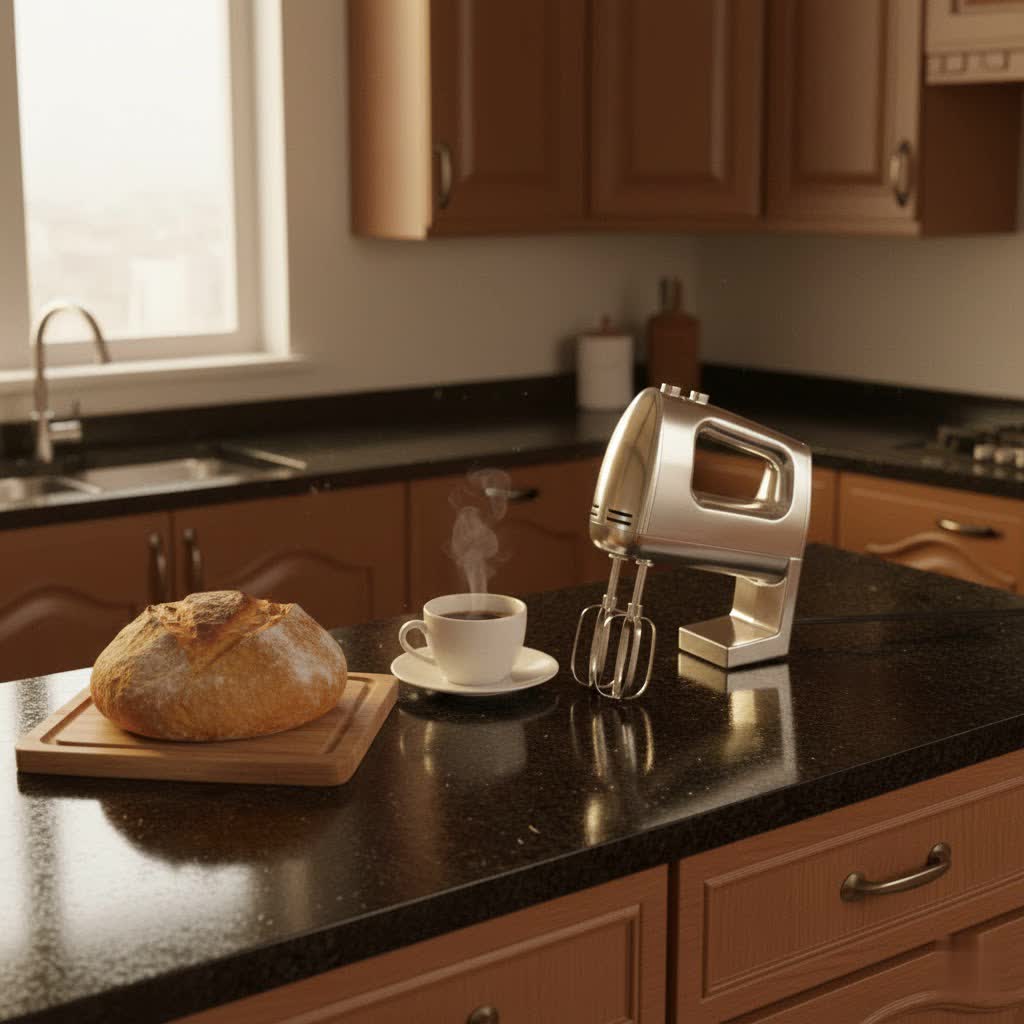
Hand Mixers: A Deep Dive into Types and Features
Hand mixers are versatile, compact devices designed to tackle a variety of mixing tasks. Their portability and ease of use make them a favorite for quick recipes and smaller batches. Understanding the different types based on their power, speed, and integrated functions is key to making an informed choice.
Basic hand mixers typically feature a motor, a comfortable handle, and a set of beaters. These are excellent for everyday tasks like whisking eggs, whipping cream, or combining wet and dry ingredients for simple cake batters. They are often lighter and more budget-friendly, suitable for occasional bakers or those with limited storage.
Multi-functional hand mixers, on the other hand, offer enhanced capabilities. They come with a wider range of speed settings, often including a “turbo” or “power boost” function for tougher ingredients, and a slow start to prevent splattering. Many also include additional attachments like dough hooks for light kneading and balloon whisks for maximizing aeration. Some advanced models might even feature smart technologies like automatic speed adjustment (Beater IQ) or built-in timers and lights, catering to more complex baking needs and providing greater convenience. The primary advantage of these enhanced models is their adaptability, allowing a single tool to handle a broader spectrum of recipes.
Top Hand Mixer Brands: A Comparative Overview
The market offers a diverse array of hand mixers from various brands, each with its unique strengths in durability, performance, and price. Identifying the leading players can help narrow down your options.
Brands like Breville and KitchenAid often stand out for their robust build quality, powerful motors, and innovative features, though they tend to be in a higher price bracket. Breville’s Handy Mix Scraper, for instance, is frequently praised for its smart features and ergonomic design. Cuisinart offers excellent mid-range options, balancing performance with affordability, often including useful storage cases. For those seeking maximum power without breaking the bank, Braun provides strong contenders like the MultiMix, known for its high wattage and lightweight design.
More budget-friendly yet reliable options come from brands like Hamilton Beach and Black+Decker, which offer great value for basic to intermediate baking needs. Brands like Smeg and Dualit cater to users who value aesthetics alongside performance, often featuring retro designs and premium materials.
Here’s a generalized comparison of what you might expect from leading brands:
| Brand | Typical Power (Watts) | Key Features | Price Range | Best For |
|---|---|---|---|---|
| Breville | 240-260 | Beater IQ, scraper beaters, light, timer | Premium | Serious bakers, innovation, durability |
| Cuisinart | 200-220 | Multiple speeds, storage case, power | Mid-range | Everyday baking, good value |
| KitchenAid | 150-225 (Corded) | Cordless options, varied attachments | Mid to Premium | Versatility, specific attachments, brand loyalty |
| Braun | 350 | High power, lightweight, ergonomic | Mid-range | Power, efficiency, comfortable grip |
| Hamilton Beach | 250 | Budget-friendly, basic functions | Budget | Casual bakers, essential tasks |
| Smeg | 250 | Retro design, aesthetics, quality | Premium | Style-conscious, quality |
| Bosch | 350-500 | Quiet operation, strong performance | Mid-range | Quiet and efficient mixing |
Choosing Your Ideal Hand Cake Mixer: A Comprehensive Buying Guide
Selecting the perfect hand cake mixer involves considering several factors to ensure it meets your specific baking demands and kitchen lifestyle.
Power and Speed
While higher wattage often indicates more power, it’s not the sole determinant of quality. For most baking tasks, a hand mixer with 200 to 350 watts is ideal. Look for models with at least 5 to 9 distinct speed settings. A slow start feature is crucial for gradually incorporating ingredients, preventing flour clouds and splatters, while faster speeds are essential for whipping egg whites to stiff peaks or creaming butter and sugar.
Material and Design
Durability is paramount. Stainless steel beaters are generally robust and long-lasting, though silicone-coated beaters can protect your mixing bowls. An ergonomic handle with a comfortable, non-slip grip (often rubber or silicone) is vital for extended use, preventing hand fatigue. A flat, stable base that allows the mixer to stand upright on the counter without toppling is a practical feature often overlooked.
Attachments
Most hand mixers come with a standard set of twin beaters and dough hooks. A balloon whisk attachment is highly recommended for tasks like whipping cream or meringues. Some models offer innovative scraper beaters that reduce the need to stop and scrape down the bowl. Consider models that include a dedicated storage case or pouch to keep all attachments neatly organized and prevent them from getting lost.
Cord Length and Type
A sufficiently long cord provides flexibility, allowing you to move around your workspace. A swivel cord offers better maneuverability, particularly for left-handed users. For those prioritizing neatness, retractable cords are a bonus. Cordless options are also available, offering ultimate freedom of movement, though they require charging and might have slightly less power or shorter run times than their corded counterparts.
Weight and Balance
The weight of your hand mixer significantly impacts comfort during use. An ideal weight is typically between 1.5 to 2 pounds (around 680g to 900g). A mixer that is too heavy can cause arm fatigue during longer tasks, while one that is too light might feel flimsy and harder to control, especially with thicker batters. Testing the feel and balance is always recommended.
Additional Features
Look for features that enhance user experience, such as a built-in light to illuminate the mixing bowl, a digital display for speed and time, or an easy-eject button for attachments. These small additions can make a big difference in convenience and efficiency.
Budget
Hand mixers are generally more affordable than stand mixers, with prices ranging from $20 for basic models to over $150 for premium, feature-rich options. Define your budget and prioritize the features most important to you to find the best value within your price range. Sometimes, investing a little more for a mixer with better build quality and essential features can pay off in terms of performance and longevity.
Top 5 Hand Cake Mixers: Expert Picks for Every Baker
Based on extensive testing and user reviews, these five hand cake mixers consistently impress with their performance, features, and reliability.
-
Breville Handy Mix Scraper
- Pros: Exceptional performance across all tasks, innovative Beater IQ technology, built-in light and timer, comfortable ergonomic handle, included storage case, scraper beaters minimize bowl scraping.
- Cons: Higher price point, relatively heavy.
- Ideal for: Serious home bakers looking for advanced features and superior mixing.
-
Cuisinart Power Advantage Plus 9-Speed Handheld Mixer (HM-90BCS)
- Pros: Powerful 220-watt motor, nine speeds for precise control, includes a comprehensive set of attachments and a snap-on storage case, good value for money.
- Cons: Can be noisy at higher speeds, some users report splatter.
- Ideal for: Everyday bakers needing a reliable, versatile mixer with convenient storage.
-
Hamilton Beach 6-Speed Electric Hand Mixer
- Pros: Excellent budget-friendly option, good performance for basic tasks, comfortable grip, QuickBurst button for extra power, easy to use.
- Cons: Fewer speeds than premium models, not ideal for very tough doughs.
- Ideal for: Casual bakers or those on a tight budget needing a dependable mixer for simple recipes.
-
Braun MultiMix Hand Mixer (HM5130)
- Pros: Extremely powerful 350-watt motor, very lightweight for comfortable handling, wide range of attachments available (including a whisk-beater hybrid), ergonomic soft-grip handle.
- Cons: Some vibration at top speeds, simple design.
- Ideal for: Bakers prioritizing power and lightweight design for efficiency.
-
KitchenAid Cordless 7 Speed Hand Mixer (KHMB732)
- Pros: Cordless convenience offers unmatched freedom, good power for a cordless unit, slow start feature prevents messes, sleek minimalistic interface, long battery life.
- Cons: Higher price, requires charging, might not match corded power for very heavy tasks.
- Ideal for: Bakers who value mobility and a clutter-free counter, perfect for smaller tasks anywhere in the kitchen.
Maximizing Your Hand Mixer: Tips for Use and Maintenance
To ensure your hand cake mixer performs optimally and lasts for years, proper usage and diligent maintenance are key.
Usage Tips:
- Start Slow: Always begin mixing at the lowest speed, especially when incorporating dry ingredients, to prevent clouds of flour and splatter. Gradually increase speed as the ingredients combine.
- Don’t Overfill: Avoid filling your mixing bowl too high, as this can lead to spills and strain on the motor.
- Use the Right Attachment: Use beaters for general mixing and creaming, whisks for aerating (egg whites, cream), and dough hooks for light kneading.
- Move Around the Bowl: Unlike stand mixers with planetary action, you need to manually move the hand mixer around the bowl to ensure all ingredients are evenly incorporated. Scrape down the sides of the bowl periodically with a spatula.
- Listen to Your Mixer: If the motor sounds strained or it feels excessively hot, give it a break. Pushing it too hard, especially with stiff doughs, can shorten its lifespan.
Maintenance Tips:
- Unplug Before Cleaning: Always ensure your mixer is unplugged before detaching attachments or cleaning.
- Clean Immediately: Rinse attachments immediately after use to prevent food from drying on them. Most attachments are dishwasher-safe, but always check the manufacturer’s instructions.
- Wipe Down the Body: Use a damp cloth to wipe down the mixer’s body. Never immerse the motor unit in water.
- Proper Storage: Store your mixer and its attachments in a cool, dry place. Many models come with a storage case, which is excellent for keeping everything together and protected. If not, a Ziploc bag or small container can work.
- Check for Wear: Periodically inspect beaters and cords for any signs of wear or damage. Replace attachments if they are bent or corroded.
Common Issues and Troubleshooting:
- Splattering: Usually caused by starting at too high a speed or an overfilled bowl. Lower speed, smaller batches, and a deep mixing bowl can help.
- Motor Strain: Often occurs when mixing overly thick batters or kneading heavy doughs. If your hand mixer struggles, consider transferring the task to a stand mixer or mixing by hand.
- Attachments Sticking: Ensure attachments are inserted correctly and securely. If they’re difficult to eject, check for any residue or damage.
Hand Mixer vs. Stand Mixer: Which One Do You Need?
The choice between a hand mixer and a stand mixer often comes down to your baking habits, kitchen space, and budget. Both have their merits and excel in different scenarios.
Hand Mixer Pros:
- Affordable: Generally much cheaper than stand mixers.
- Portable and Compact: Easy to move around the kitchen, use with any bowl, and store in small spaces.
- Quick Tasks: Ideal for fast, light jobs like whipping cream, beating eggs, or mixing a simple cake batter.
- More Control: You have direct control over the mixing process, allowing you to feel the consistency of the batter.
Hand Mixer Cons:
- Arm Fatigue: Requires you to hold it, which can be tiring for longer mixing tasks or larger batches.
- Less Powerful: Not suited for heavy-duty tasks like kneading stiff bread dough or mixing very thick cookie dough.
- Limited Versatility: Fewer attachment options compared to stand mixers.
- No Hands-Free Operation: You cannot multitask while the mixer is in use.
Stand Mixer Pros:
- Powerful: Robust motors handle heavy doughs and large batches with ease.
- Hands-Free Operation: Allows you to add ingredients or prepare other components while it mixes.
- Highly Versatile: A wide array of attachments for tasks beyond mixing, like pasta making, meat grinding, or spiralizing.
- Consistent Results: Planetary mixing action ensures thorough and even incorporation of ingredients.
Stand Mixer Cons:
- Expensive: Significant upfront investment.
- Bulky and Heavy: Takes up considerable counter space and can be difficult to move or store.
- Not Ideal for Small Batches: Some stand mixers struggle with very small quantities of ingredients as the attachments may not reach them effectively.
Which to Choose?
- Opt for a hand mixer if you are an occasional baker, have limited kitchen space, a tighter budget, or primarily make smaller batches of cakes, cookies, whipped cream, and meringues.
- Consider a stand mixer if you bake frequently, tackle large batches, regularly make bread or stiff doughs, or desire hands-free operation and maximum versatility with attachments.
Many passionate bakers find value in owning both, using the hand mixer for quick, light tasks and reserving the stand mixer for more intensive or larger projects.
Conclusion
Choosing the right hand cake mixer can significantly enhance your baking experience, offering convenience, efficiency, and consistent results. By considering factors like power, speed, design, attachments, and your specific baking needs, you can confidently select a model that will be a cherished companion in your kitchen. From light batters to fluffy meringues, a well-chosen hand mixer empowers you to tackle a myriad of recipes with ease and enjoyment. So, what delicious creation will you whip up first with your new baking essential?
Frequently Asked Questions
What is the ideal wattage for a hand mixer?
|
Our Picks for the Best Hand Mixer in 2026
As an Amazon Associate I earn from qualifying purchases.
|
||
| Num | Product | Action |
|---|---|---|
| 1 | Mity Rain 4-in-1 Frother for Protein Powder, Adjustable-Waterproof, Protein Powder Scoop Funnel Set, Detachable Rechargeable Protein Mixer Wand for Coffee, Matcha, Milk, and Drinks |

|
| 2 | Hamilton Beach 6-Speed Electric Hand Mixer with Whisk, Dough Hooks and Easy Clean Beaters, Powerful 275 Watt Motor, Snap-On Storage Case, Blue |
|
| 3 | Hamilton Beach 6-Speed Electric Hand Mixer with Whisk, Traditional Beaters, Snap-On Storage Case, 250 Watts, White |
|
| 4 | 5-Speed Electric Hand Mixer, 800W Handheld Mixer with Turbo for Baking & Cooking, Kitchen Food Mixer with Storage Case & 5 Stainless Steel Attachments (2 Beaters, 2 Dough Hooks, 2 Whisks)-White |
|
| 5 | KitchenAid 5-Speed Ultra Power Hand Mixer |
|
| 6 | KitchenAid 5-Speed Ultra Power Hand Mixer - KHM512, Contour Silver |
|
| 7 | Hamilton Beach 6-Speed Electric Hand Mixer with Whisk, Dough Hooks and Easy Clean Beaters, Powerful 275 Watt Motor, Snap-On Storage Case, White |
|
| 8 | Hamilton Beach 6-Speed Electric Hand Mixer with Whisk, Dough Hooks and Easy Clean Beaters, Powerful 275 Watt Motor, Snap-On Storage Case, Black |
|
| 9 | KitchenAid 5 Ultra Power Speed Hand Mixer - KHM512, Empire Red |
|
| 10 | KitchenAid 5 Ultra Power Speed Hand Mixer - KHM512, Aqua Sky |
|
An ideal wattage for a hand mixer typically ranges from 200 to 350 watts. This range provides sufficient power for most common baking tasks, such as whipping cream, beating eggs, and mixing cake batters, without being excessively powerful for a handheld device.
Can a hand mixer knead bread dough?
Most hand mixers are not ideal for kneading heavy or stiff bread doughs. While they may handle very soft doughs or short bursts of kneading, their motors can be strained by dense mixtures, potentially leading to damage or overheating. For regular bread baking, a stand mixer with a dough hook is recommended.
How do I clean my hand mixer?
Always unplug your hand mixer before cleaning. Remove the attachments and wash them, typically by hand with warm soapy water or in the dishwasher if they are labeled as dishwasher-safe. Wipe down the motor unit’s body with a damp cloth, ensuring no water enters the electrical components.
What attachments should a hand mixer have?
A good hand mixer should at least include a set of twin beaters for general mixing and whipping. A balloon whisk attachment is highly beneficial for aerating ingredients like egg whites and cream. Dough hooks are also a useful addition for light kneading tasks.
Are cordless hand mixers powerful enough?
Cordless hand mixers have significantly improved and are powerful enough for many common tasks like whipping cream, beating eggs, and mixing cake batters. However, for very dense doughs or prolonged heavy mixing, a corded hand mixer or a stand mixer might offer more consistent power without battery concerns.
