A hand mixer is a versatile kitchen appliance, a compact powerhouse that streamlines countless culinary tasks. While often overshadowed by their larger stand mixer counterparts, hand mixers excel in portability and convenience, making them indispensable for everyday cooking and baking. The true magic, however, lies in their specialized attachments, each designed to tackle specific ingredients and textures with precision. Understanding these different tools unlocks the full potential of your hand mixer, transforming it from a simple beater into a multi-functional kitchen assistant ready for any recipe.
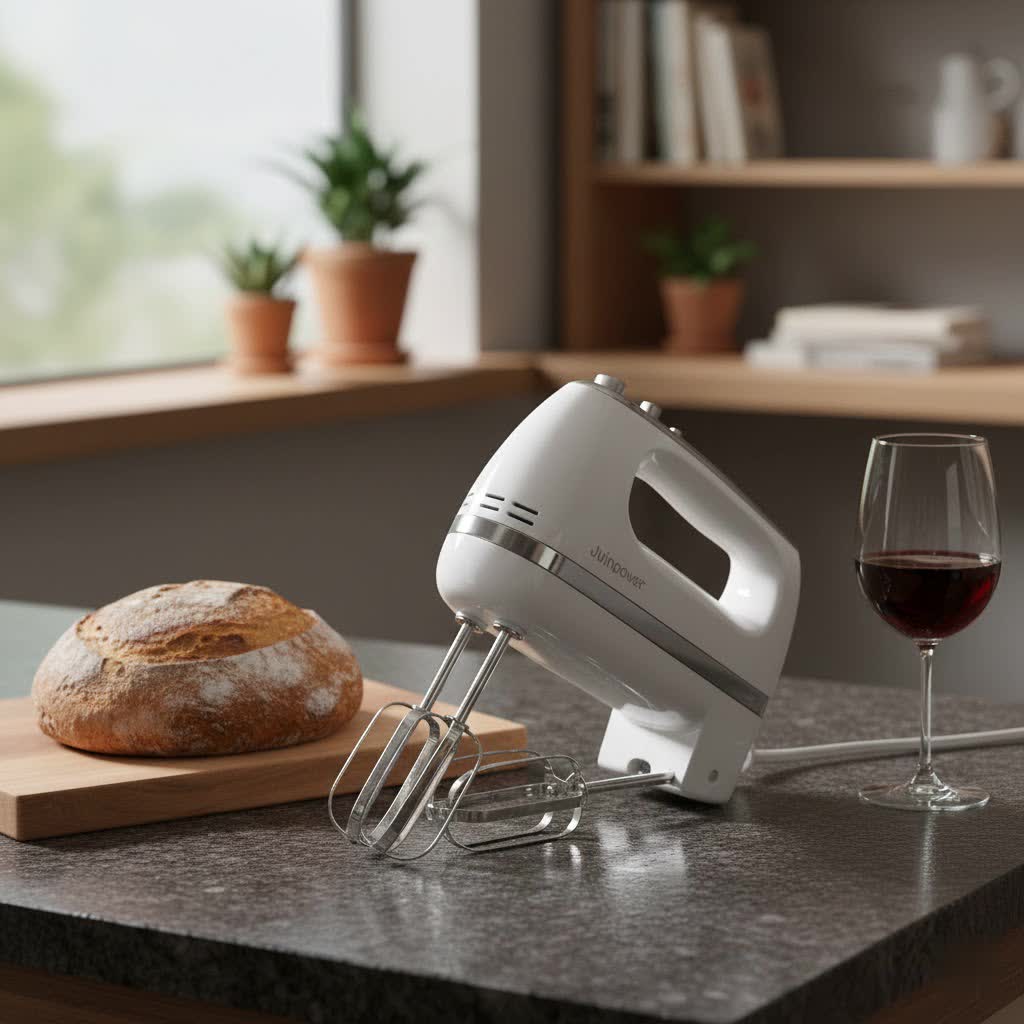
Unveiling the Arsenal: Common Types of Hand Mixer Attachments
Hand mixers come equipped with a range of attachments, each engineered for distinct mixing, whipping, or kneading jobs. Knowing what each attachment does best is key to achieving perfect results and protecting your appliance.
Beaters: The Everyday Workhorses
Beaters are the most common and versatile hand mixer attachments, often included as a standard pair with any unit. These general-purpose tools are perfect for a wide array of tasks. You’ll typically find flat beaters or turbo beaters, designed to efficiently blend ingredients without incorporating excessive air.
- Primary Uses: Creaming butter and sugar for fluffy cakes, mixing cookie dough, blending cake batter, mashing potatoes, making buttercream frosting, and stirring gelatin mixtures.
- Variations: Some modern beaters feature silicone-coated edges, which are excellent for scraping down the sides of your bowl as you mix, reducing manual effort and preventing scratches on your cookware. Turbo II beaters, for instance, are designed with heavier wires for enhanced durability and performance, especially with thicker mixtures.
|
Our Picks for the Best Hand Mixer in 2026
As an Amazon Associate I earn from qualifying purchases.
|
||
| Num | Product | Action |
|---|---|---|
| 1 | Hamilton Beach 6-Speed Electric Hand Mixer with Whisk, Dough Hooks and Easy Clean Beaters, Powerful 275 Watt Motor, Snap-On Storage Case, Black |

|
| 2 | KitchenAid 5 Ultra Power Speed Hand Mixer - KHM512, Aqua Sky |
|
| 3 | 5-Speed Electric Hand Mixer, 800W Handheld Mixer with Turbo for Baking & Cooking, Kitchen Food Mixer with Storage Case & 5 Stainless Steel Attachments (2 Beaters, 2 Dough Hooks, 2 Whisks)-White |
|
| 4 | Hamilton Beach 6-Speed Electric Hand Mixer with Whisk, Dough Hooks and Easy Clean Beaters, Powerful 275 Watt Motor, Snap-On Storage Case, Blue |
|
| 5 | Mity Rain 4-in-1 Frother for Protein Powder, Adjustable-Waterproof, Protein Powder Scoop Funnel Set, Detachable Rechargeable Protein Mixer Wand for Coffee, Matcha, Milk, and Drinks |
|
| 6 | Hamilton Beach 6-Speed Electric Hand Mixer with Whisk, Traditional Beaters, Snap-On Storage Case, 250 Watts, White |
|
| 7 | KitchenAid 5 Ultra Power Speed Hand Mixer - KHM512, Empire Red |
|
| 8 | Hamilton Beach 6-Speed Electric Hand Mixer with Whisk, Dough Hooks and Easy Clean Beaters, Powerful 275 Watt Motor, Snap-On Storage Case, White |
|
| 9 | KitchenAid 5-Speed Ultra Power Hand Mixer - KHM512, Contour Silver |
|
| 10 | KitchenAid 5-Speed Ultra Power Hand Mixer |
|
Whisks: For Lightness and Volume
When your recipe calls for airy textures, the whisk attachment is your go-to. Shaped typically like a balloon with wire tines, whisks are experts at incorporating air into mixtures rapidly.
- Primary Uses: Whipping egg whites into stiff peaks for meringues or soufflés, creating light and fluffy whipped cream, mixing puddings, blending light sauces, and aerating mousse.
- Mechanism: The design of the whisk maximizes surface area contact with the mixture, enabling it to trap more air quickly, resulting in voluminous and airy concoctions.
Dough Hooks: Tackling Tougher Tasks
While hand mixers are primarily known for lighter mixing, many models come with dough hooks, empowering you to tackle denser mixtures. These sturdy, spiraled attachments mimic the action of hand kneading.
- Primary Uses: Kneading yeast dough for breads, pizza, and pasta. They are ideal for smaller batches where a stand mixer might be overkill or when counter space is limited.
- Types: Dough hooks typically come in two shapes: C-shaped and spiral. Both are designed to stretch and fold dough, developing gluten without overworking your hand mixer.
Liquid Blending Rods: The Unexpected Addition
Though less common and sometimes resembling an immersion blender attachment, a liquid blending rod can be a valuable addition for specific tasks.
- Primary Uses: Mixing powdered drinks, creating smooth shakes and smoothies, or even blending light soups directly in a pot. This attachment adds a layer of versatility, allowing your hand mixer to double as a basic blender for thinner liquids.
The Compatibility Conundrum: Choosing the Right Attachments
It’s a common misconception that all hand mixer attachments are universally interchangeable. In reality, attachment compatibility is highly specific, varying significantly by brand and model.
- Why They Aren’t Universal: Different manufacturers use unique designs for the attachment shaft diameter and the locking mechanism (e.g., push-button release, twist-lock, pin-and-spring systems). A KitchenAid attachment, for instance, will likely not fit a Cuisinart or Bosch hand mixer, and even within the same brand, older models might have different specifications.
- Importance of Checking Your Model: Always consult your hand mixer’s manual or the manufacturer’s website for specific model numbers and compatible accessories. This ensures a secure fit, optimal performance, and prevents potential damage to your mixer or the attachments.
- Aftermarket Options: The market also offers third-party or aftermarket attachments. While these can be more affordable, it’s crucial to verify their compatibility by carefully measuring your mixer’s drive socket and matching the mounting mechanism to ensure a wobble-free and efficient operation. Stainless steel aftermarket options often provide enhanced durability compared to plastic.
Top Hand Mixer Attachments: Brands and Innovations
Leading kitchen appliance brands continuously innovate their hand mixer attachments, focusing on durability, efficiency, and ease of use.
- KitchenAid: Renowned for quality, KitchenAid offers Turbo II Beaters with heavier wires for enhanced performance, and their attachments are known for fitting models manufactured after 1995, offering broad compatibility within their brand. Their Pro Whisk is praised for quickly incorporating air.
- Cuisinart: Many Cuisinart hand mixers come with a comprehensive set of attachments including beaters, dough hooks, and whisks, often with convenient snap-on storage cases. Their attachments are designed for power and efficiency across various speeds.
- Braun: Braun’s MultiWhisk beaters are uniquely shaped for versatile mixing, whipping, and beating tasks. They often bundle dough hooks and provide storage solutions, emphasizing ergonomic design and easy cleaning.
- Other Notables: Brands like Hamilton Beach and Myves also offer robust attachment sets, frequently focusing on stainless steel construction for longevity and dishwasher-safe convenience. Aftermarket brands like Univen specialize in compatible replacement parts across various popular hand mixer models, often in durable stainless steel.
Many modern attachments are crafted from food-grade stainless steel, which offers superior rust resistance, durability, and is often dishwasher-safe for effortless cleanup. Innovations like anti-stick grooves on dough hooks help prevent dough from clinging, further simplifying your baking process.
A Guide to Selecting Your Ideal Hand Mixer Attachments
Choosing the right attachments can significantly impact your cooking and baking experience. Consider these factors when making your selection:
- Assess Your Culinary Needs: What do you typically make? If you frequently bake bread, dough hooks are essential. For light meringues and whipped creams, a high-quality whisk is paramount. For general baking, focus on robust beaters.
- Material and Durability: Opt for attachments made from high-quality stainless steel. They are more durable, resistant to rust, and generally outperform plastic alternatives, especially under heavy use or high-speed mixing.
- Ease of Cleaning: Look for dishwasher-safe attachments. This feature will save you considerable time and effort in post-cooking cleanup, making your hand mixer a joy to use more often.
- Budget Considerations: Original manufacturer attachments often guarantee perfect fit and performance but can be pricier. Aftermarket options can be cost-effective, but always double-check compatibility and material quality.
- Mixer Compatibility is King: This cannot be stressed enough. Before purchasing any new or replacement attachment, confirm it is explicitly designed for your specific hand mixer model. Measuring the drive socket diameter and understanding the mounting mechanism is vital for ensuring a secure fit.
Elevate Your Skills: Tips for Using and Maintaining Hand Mixer Attachments
Proper usage and maintenance extend the lifespan of your attachments and ensure consistently excellent results.
Optimal Usage
- Start Slow: Always begin mixing at the lowest speed to prevent splattering ingredients, gradually increasing the speed as the ingredients combine.
- Match Attachment to Task: Using the correct attachment for the job optimizes efficiency and prevents strain on your hand mixer. For example, don’t force beaters through heavy dough meant for dough hooks.
- Experiment with Speeds: Different attachments and ingredients require varying speeds. Whisks often perform best at higher speeds for aeration, while beaters might need moderate speeds for creaming.
- Easy Ejection: Most hand mixers feature a convenient ejection button to release attachments quickly and safely. Always ensure the mixer is unplugged before inserting or removing attachments.
Cleaning Best Practices
- Dishwasher Safe: Most stainless steel attachments are dishwasher safe. For best results, place them in the utensil basket.
- Hand Washing: For attachments with intricate designs or non-dishwasher-safe materials, hand wash promptly with warm, soapy water. Use a brush to dislodge any stuck-on food.
- Thorough Drying: Always dry attachments completely before storing to prevent water spots or rust, especially on stainless steel.
Storage Solutions
- Dedicated Storage: Many hand mixers come with snap-on cases or pouches specifically designed to store attachments neatly, preventing them from getting lost or damaged in your kitchen drawers.
- Organized Drawers: If no case is provided, a kitchen drawer organizer can keep your attachments tidy and easily accessible.
Hand Mixer Attachments vs. Stand Mixer Attachments: Which is Right for You?
The choice between hand mixer and stand mixer attachments often boils down to the scale and nature of your culinary projects, as well as your kitchen space.
- Portability & Convenience: Hand mixer attachments excel for smaller, quicker tasks. Their lightweight design and easy storage make them perfect for whipping up a small batch of cream, blending a quick cake batter, or mashing potatoes without the hassle of setting up a larger appliance.
- Power & Capacity: Stand mixer attachments are designed for heavy-duty, hands-free operation and larger capacities. For dense bread doughs, large batches of cookie dough, or extended mixing times, a stand mixer with its powerful motor and robust attachments is the superior choice to prevent overheating or straining a hand mixer.
- Cost & Space: Hand mixers and their attachments are significantly more affordable and take up less counter and storage space compared to bulky stand mixers, making them ideal for smaller kitchens or budget-conscious cooks.
- When to Use Each: Use hand mixer attachments for agility and small-to-medium tasks. Opt for a stand mixer and its dedicated attachments when you need sustained power, larger volumes, or hands-free mixing for demanding recipes like heavy bread doughs.
Both types of mixers, with their respective attachments, serve valuable but distinct roles in the kitchen, complementing each other rather than being mutually exclusive.
The world of hand mixer attachments offers a surprising depth of functionality, transforming a simple gadget into an indispensable kitchen tool. From whipping delicate meringues to kneading hearty bread doughs, the right attachments empower you to achieve professional-quality results with ease and efficiency. By understanding the various types, ensuring compatibility, and adhering to proper usage and maintenance, you can unlock your hand mixer’s full potential and elevate your culinary creations.
Are you maximizing the versatility of your hand mixer with all the right attachments?
Frequently Asked Questions
Are hand mixer attachments interchangeable between different brands?
No, hand mixer attachments are generally not interchangeable between different brands or even different models from the same brand. This is due to variations in shaft diameter, locking mechanisms, and overall design. Always check your mixer’s manual for compatibility.
Can I use dough hooks on any hand mixer?
While many hand mixers come with dough hooks, not all are powerful enough to handle very stiff or large batches of dough without straining the motor. It’s best to use dough hooks with hand mixers specifically designed for such tasks or for smaller, lighter doughs to prevent overheating.
How do I clean hand mixer attachments?
Most modern stainless steel hand mixer attachments are dishwasher-safe, offering convenient cleanup. For those that aren’t, or for specific materials, hand washing with warm, soapy water and a thorough drying immediately after use is recommended to maintain their condition.
What’s the best attachment for whipping cream?
The whisk attachment, typically a balloon or wire whisk, is the best tool for whipping cream. Its design incorporates air efficiently, creating light and fluffy whipped cream in a short amount of time.
Do hand mixer attachments wear out over time?
Yes, like any kitchen tool, hand mixer attachments can wear out over time, especially with frequent use. Beaters might bend, whisks could lose their shape, or plastic components might crack. Replacing worn attachments ensures optimal performance and safety.
