Are you navigating the culinary world, looking to streamline your baking and cooking with the right tools? While stand mixers often grab the spotlight for heavy-duty tasks, the humble electric hand mixer stands out as a versatile, compact, and indispensable kitchen appliance. It’s perfect for everything from whipping up a light meringue to blending a quick batter, offering agility and control that larger machines can’t match. This comprehensive guide will walk you through everything you need to know about electric hand mixers, from understanding their different types and selecting the best model to mastering their use and upkeep. We’ll even tackle the perennial question: hand mixer vs. stand mixer, helping you find your ideal mixing companion.
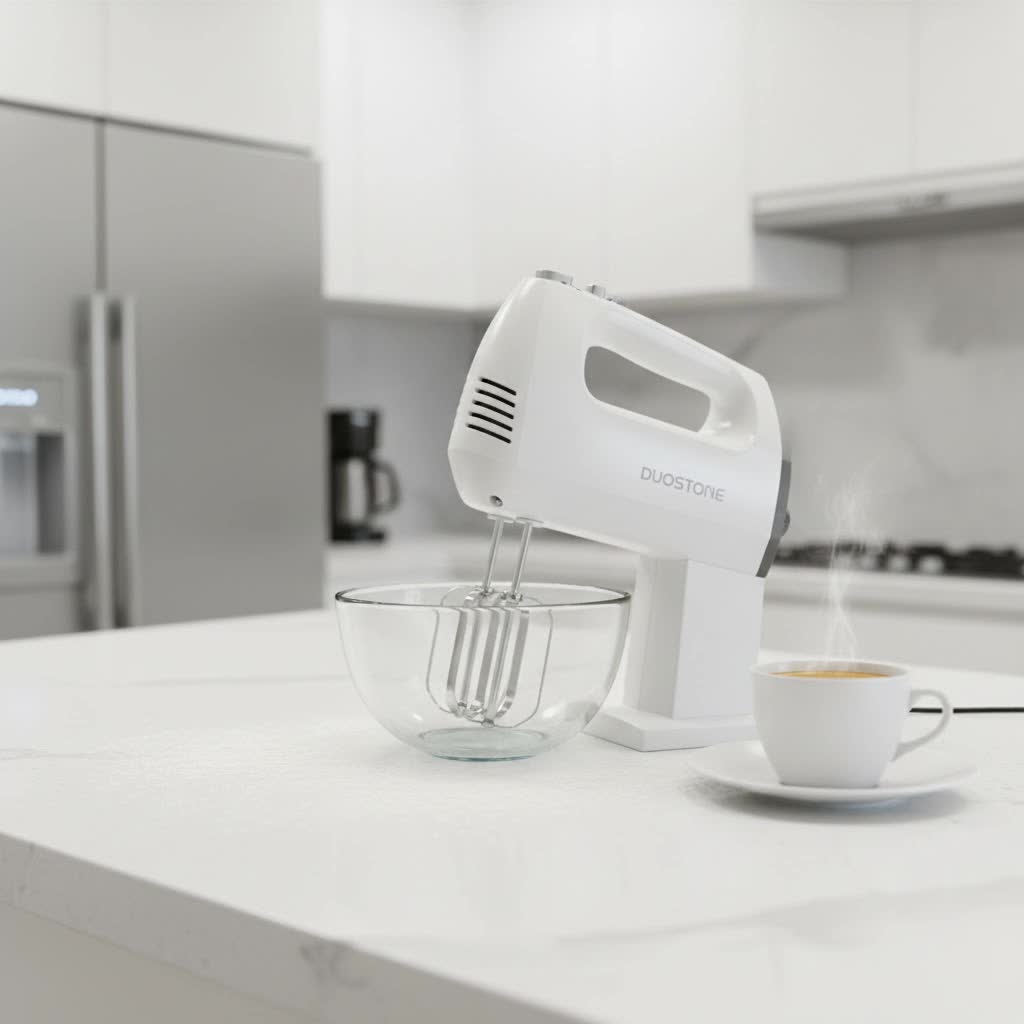
Different Types of Electric Hand Mixers
Electric hand mixers come in various designs, each tailored to different culinary demands. Understanding these distinctions helps you pinpoint the best model for your kitchen.
Basic Hand Mixers
|
Our Picks for the Best Hand Mixer in 2026
As an Amazon Associate I earn from qualifying purchases.
|
||
| Num | Product | Action |
|---|---|---|
| 1 | Hamilton Beach 6-Speed Electric Hand Mixer with Whisk, Dough Hooks and Easy Clean Beaters, Powerful 275 Watt Motor, Snap-On Storage Case, Blue |

|
| 2 | KitchenAid 5 Ultra Power Speed Hand Mixer - KHM512, Aqua Sky |
|
| 3 | Hamilton Beach 6-Speed Electric Hand Mixer with Whisk, Dough Hooks and Easy Clean Beaters, Powerful 275 Watt Motor, Snap-On Storage Case, White |
|
| 4 | 5-Speed Electric Hand Mixer, 800W Handheld Mixer with Turbo for Baking & Cooking, Kitchen Food Mixer with Storage Case & 5 Stainless Steel Attachments (2 Beaters, 2 Dough Hooks, 2 Whisks)-White |
|
| 5 | KitchenAid 5-Speed Ultra Power Hand Mixer - KHM512, Contour Silver |
|
| 6 | Mity Rain 4-in-1 Frother for Protein Powder, Adjustable-Waterproof, Protein Powder Scoop Funnel Set, Detachable Rechargeable Protein Mixer Wand for Coffee, Matcha, Milk, and Drinks |
|
| 7 | KitchenAid 5 Ultra Power Speed Hand Mixer - KHM512, Empire Red |
|
| 8 | Hamilton Beach 6-Speed Electric Hand Mixer with Whisk, Traditional Beaters, Snap-On Storage Case, 250 Watts, White |
|
| 9 | Hamilton Beach 6-Speed Electric Hand Mixer with Whisk, Dough Hooks and Easy Clean Beaters, Powerful 275 Watt Motor, Snap-On Storage Case, Black |
|
| 10 | KitchenAid 5-Speed Ultra Power Hand Mixer |
|
These mixers are your everyday workhorses, designed for straightforward tasks. They typically feature fewer speed settings, often ranging from 3 to 6, and operate with a moderate wattage, usually between 150 to 250 watts. Basic hand mixers are ideal for occasional bakers or those with simple mixing needs, such as beating eggs, whipping cream, or mixing light cake batters. They are generally more affordable and offer a no-frills approach to efficient mixing. For example, the Hamilton Beach 6-Speed Electric Hand Mixer is a popular, budget-friendly choice that excels at light tasks.
Multi-functional Hand Mixers
For those who bake and cook more frequently or tackle a broader range of recipes, multi-functional hand mixers offer enhanced power and versatility. These models boast more speed options, often 7 to 9 or even more, coupled with higher wattage motors that can sometimes reach up to 350 watts, rivaling some stand mixers. They often come equipped with a wider array of attachments, including specialized whisks, dough hooks for lighter doughs, and sometimes even an immersion blender rod for added utility. Many also include advanced features like digital controls, built-in timers, or smart technology that adjusts speed automatically. Cordless versions also fall into this category, providing ultimate portability. Examples include the Cuisinart Power Advantage Plus 9-Speed and the Breville Handy Mix Scraper, known for their robust performance across diverse culinary projects.
Comparison Table of Best Electric Hand Mixer Brands
Choosing the right electric hand mixer can be daunting with so many excellent brands available. Here’s a comparison of some top contenders, highlighting their key features, strengths, and potential drawbacks to help you make an informed decision.
| Brand/Model | Power (Watts) | Speeds | Key Features | Pros | Cons |
|---|---|---|---|---|---|
| Cuisinart Power Advantage Plus 9-Speed | 220 | 9 | SmoothStart, digital speed control, swivel cord, snap-on storage case, comfortable grip. | Excellent all-around, handles thick doughs, quiet operation. | Can be loud on high speeds, chrome finish shows fingerprints. |
| Breville Handy Mix Scraper | 240 | 9 + Turbo | Silicone-lined scraper beaters, built-in timer, mixing light, Smart Torque adjustment, pause button. | Superior performance for serious tasks, quiet, scrapes bowl effectively. | Heavier, expensive. |
| Braun MultiMix Hand Mixer | 350 | 9 + Turbo | “SmartMix” technology (vertical motor), multi-whisk beaters (whisk/beater combo), easy one-handed control. | Most powerful, handles tough doughs, easy to clean, comfortable grip. | Storage case is just a bag. |
| Hamilton Beach 6-Speed Electric | 250 | 6 + Burst | Bowl rest feature, snap-on storage case, lightweight. | Budget-friendly, good for beginners, balloon whisk. | No slow start, storage case difficult to use, not for very thick doughs. |
| KitchenAid Cordless 7-Speed | 12V Battery | 7 | Cordless convenience, sleek design, battery indicator light, compact. | Ultimate portability, no tangled cords. | Less powerful for heavy doughs, longer whipping time, needs frequent charging. |
| KitchenAid 9-Speed KHM926ER | N/A | 9 | Includes immersion blender rod, slow start, ergonomic handle, rubberized grip. | Most versatile attachments, good for various recipes. | Can strain with thick dough, loud. |
How to Choose the Right Electric Hand Mixer
Selecting the perfect electric hand mixer involves more than just picking a pretty color. Consider these essential factors to ensure your choice aligns with your cooking and baking habits.
Power and Speed
The power of a hand mixer, measured in watts, dictates its ability to handle different ingredients. Most general-purpose hand mixers range from 200 to 250 watts. If you anticipate tackling tougher batters or denser doughs, opt for a model with 250 watts or higher, such as the Braun MultiMix at an impressive 350 watts.
The number of speed settings also impacts control. Mixers with 5 to 10 speeds offer a wider range, allowing for gentle folding and intense whipping. Look for a “SmoothStart” or low-speed feature to prevent ingredients from splattering out of the bowl when you first turn the mixer on. A “Turbo” button can also provide a quick burst of power for stubborn lumps.
Attachments
Standard hand mixers typically come with a pair of beaters. Many modern beaters are wire-style, with some featuring silicone coating to protect your bowls and reduce noise during mixing. A whisk attachment is invaluable for creating airy meringues and whipped cream. For those who dabble in bread making, dough hooks can handle very light doughs, though expectations should be tempered for very heavy bread doughs. Some advanced models, like certain KitchenAid mixers, even include an immersion blender rod for expanded functionality.
Material and Design
Durability is key for any kitchen appliance. Look for robust construction that feels solid in hand. Ergonomics play a significant role since you’ll be holding the mixer throughout its operation. Features like a comfortable, curved handle, non-slip grip, and a lightweight design (ideally between 2 to 3 pounds) will minimize hand fatigue. A mixer that can rest on the edge of your bowl between tasks is a convenient design advantage.
Corded vs. Cordless
This is a significant decision based on your kitchen setup and priorities. Corded hand mixers offer consistent power without the need for charging, making them reliable for extended mixing sessions. Cordless models, like the KitchenAid Cordless 7-Speed, provide unparalleled freedom of movement, allowing you to mix anywhere in your kitchen without being tethered to an outlet. However, cordless mixers may have less power and often require charging between uses, potentially extending whipping times for certain ingredients.
Budget
Hand mixers are available across a wide price spectrum. Determine your budget and look for the best features and performance within that range. You don’t always need the most expensive model to get a reliable mixer; excellent budget-friendly options exist that perform admirably for most home cooking needs.
Storage
Consider how easily the mixer and its attachments can be stored. Many high-quality hand mixers now come with integrated snap-on or clip-on storage cases that neatly house the beaters, whisks, dough hooks, and even the power cord. This keeps everything organized and prevents attachments from getting lost in your drawers.
Top 5 Popular Electric Hand Mixers Today
With numerous options flooding the market, here are five electric hand mixers that consistently receive high marks for performance, features, and user satisfaction.
-
Cuisinart Power Advantage Plus 9-Speed Handheld Mixer: This mixer is frequently lauded as an all-around best choice for everyday use. It features a powerful 220-watt motor, nine speed settings with a SmoothStart feature to prevent splattering, and a comfortable, ergonomic grip. Its convenient snap-on storage case keeps all attachments and the swivel cord neatly organized. While some users note it can be loud at higher speeds, its consistent performance across various tasks, from whipping cream to mixing thick cookie dough, makes it a top contender.
-
Breville Handy Mix Scraper: Designed for serious chefs and avid bakers, the Breville Handy Mix Scraper boasts a 240-watt motor and nine speeds, plus a turbo boost. Its standout features include unique silicone-lined scraper beaters that efficiently scrape the sides of the bowl, reducing mixing time and noise. It also integrates smart technology, automatically adjusting speed based on attachment type, and features a built-in timer and a mixing light for enhanced visibility. Though it’s one of the heavier and more expensive options, its exceptional performance and thoughtful features justify the investment for many.
-
Braun MultiMix Hand Mixer: If power is your priority, the Braun MultiMix stands out with its robust 350-watt motor, making it one of the most powerful hand mixers available. It features nine speeds plus a turbo function, utilizing “SmartMix” technology that vertically aligns the motor for better weight distribution and a more comfortable, ergonomic grip. Its unique multi-whisk beaters function as both whisks and beaters, and it can handle tough doughs with impressive ease. Easy to clean with no ventilation slots, this mixer is a powerhouse for demanding mixing tasks.
-
Hamilton Beach 6-Speed Electric Hand Mixer: For those seeking excellent value without compromising on essential functionality, the Hamilton Beach 6-Speed is a perennial favorite. With a 250-watt motor and six speeds, including a “QuickBurst” button, it competently handles basic mixing, beating, and whipping tasks. A highly practical feature is its “bowl rest,” allowing you to perch the mixer on the edge of your bowl to prevent drips and messes on your counter. It’s lightweight, easy to use, and comes with a snap-on storage case, making it an ideal choice for beginners and budget-conscious buyers.
-
KitchenAid Cordless 7-Speed Hand Mixer: Offering the ultimate in portability, this KitchenAid model frees you from the confines of power outlets. It runs on a 12V battery, providing seven speeds for various tasks. Its sleek, minimalist design and compact size make it easy to store, and a battery level indicator light keeps you informed of its charge. While it excels in convenience and is sturdy for light to medium tasks, it may take longer to whip cream and can struggle or shut off when tackling very thick cookie or bread doughs compared to its corded counterparts.
Tips for Using and Maintaining Your Electric Hand Mixer
Maximizing the lifespan and performance of your electric hand mixer involves a few simple best practices.
Proper Usage
Always begin mixing on the lowest speed setting to prevent dry ingredients from clouding up and wet ingredients from splattering. Gradually increase the speed as needed. Move the mixer around the bowl in a consistent motion to ensure all ingredients are evenly incorporated. Avoid overloading your mixer with excessively thick doughs or very large quantities, as this can strain the motor and reduce its lifespan. Remember to hold the bowl steady, especially when operating at higher speeds.
Cleaning
Always unplug your electric hand mixer before cleaning to ensure safety. Remove attachments immediately after use and clean them. Most standard beaters, whisks, and dough hooks are dishwasher-safe, but always check your user manual for specific care instructions. The body of the mixer should be wiped down with a damp cloth; never submerge the motor unit in water.
Storage
Utilize any integrated storage solutions that came with your mixer, such as snap-on cases or storage bags for attachments. This keeps everything together and organized, making it easier to find what you need next time and protecting the attachments from damage. Store your mixer in a dry, accessible place.
Troubleshooting
If your mixer seems to be struggling or overheating, first check if you are overloading it. For cordless models, ensure the battery is fully charged. Always refer to your mixer’s user manual for specific troubleshooting tips and contact the manufacturer’s support if issues persist.
Electric Hand Mixer vs. Stand Mixer: Which is Right for You?
The debate between an electric hand mixer and a stand mixer often comes down to individual needs, budget, and kitchen space. Both are invaluable tools, but they excel in different scenarios.
| Feature | Electric Hand Mixer | Stand Mixer |
|---|---|---|
| Portability | Highly portable, lightweight, easy to move. | Heavy, bulky, often requires dedicated counter space. |
| Storage | Compact, fits in drawers/small shelves, often with clip-on cases. | Large, can be difficult to store out of sight. |
| Power | Less powerful (200-350W), struggles with heavy dough. | Very powerful, handles heavy dough and large batches with ease. |
| Control/Effort | Manual operation, offers tactile control, can cause fatigue during long tasks. | Hands-free operation, allows multitasking. |
| Versatility | Good for light to medium tasks, basic attachments. | Highly versatile with many specialized attachments (pasta makers, grinders, etc.). |
| Cost | Generally more affordable. | Significant investment, higher price point. |
| Cleaning | Simpler, fewer components, attachments often dishwasher-safe. | More parts, complex designs, can be more tedious to clean. |
| Batch Size | Ideal for small to medium batches. | Best for large batches, may not be efficient for very small quantities. |
| Durability | Shorter lifespan due to lighter build. | Built for longevity, can last decades with care. |
Choose an Electric Hand Mixer if: You have limited kitchen space, a tighter budget, or primarily engage in occasional baking and cooking. They are perfect for tasks like whipping cream, beating eggs, mixing cake batters, and light cookie doughs, offering precise control for smaller batches.
Choose a Stand Mixer if: You are a frequent baker, regularly prepare large batches, or often work with heavy doughs like bread. Their robust power and hands-free operation are invaluable for intensive tasks, and their wide range of attachments offers unmatched versatility for a variety of culinary projects.
Ultimately, the best choice depends on your specific lifestyle. Many experienced home chefs find that owning both a hand mixer and a stand mixer provides the ultimate flexibility for any kitchen task.
Conclusion
Electric hand mixers are an indispensable tool for any home kitchen, offering a remarkable blend of convenience, versatility, and efficiency. They excel in portability, require minimal storage, and provide the direct control many home cooks cherish for everyday baking and cooking tasks. While they might not replace a heavy-duty stand mixer for kneading dense bread doughs or handling massive batches, a thoughtfully chosen electric hand mixer delivers exceptional performance for whipping, beating, and mixing lighter batters and creams. By carefully considering factors such as power, speed settings, included attachments, and your personal culinary needs, you can easily find a model that will become your trusted companion in the kitchen.
What delicious culinary creation will you whip up next with your perfect electric hand mixer?
Frequently Asked Questions
What are the main differences between corded and cordless electric hand mixers?
Corded electric hand mixers provide consistent power directly from an outlet, eliminating the need for charging and ensuring uninterrupted use. Cordless models offer exceptional portability and freedom of movement without being tethered to an outlet, but they typically have less power and may require frequent recharging, especially during longer or more demanding mixing tasks.
Can an electric hand mixer knead bread dough effectively?
Electric hand mixers equipped with dough hooks can handle very light and soft bread doughs, such as those for cinnamon rolls, especially in small quantities. However, they are generally not powerful or robust enough to efficiently knead dense, heavy bread doughs or large batches, which can strain the motor. For such tasks, a stand mixer is usually more suitable.
What types of bowls are safe to use with an electric hand mixer?
Stainless steel and tempered glass bowls are the most durable and recommended options for use with an electric hand mixer, as they can withstand consistent contact from beaters without damage. While plastic, melamine, wooden, or ceramic bowls can be used, there is a higher risk of scratching, chipping, or wear over time. If using softer bowls, consider mixers with silicone-coated beaters for added protection.
How do I prevent splattering when using an electric hand mixer?
To effectively prevent splattering, always start your electric hand mixer on its lowest speed setting, particularly when introducing dry ingredients like flour into a mixture. Many modern hand mixers incorporate a “SmoothStart” feature or multiple low-speed options, which are specifically engineered to minimize ingredient dispersion when the appliance is first activated.
Is a higher wattage always better for an electric hand mixer?
While a higher wattage (typically above 200-250 watts) generally indicates more power and a greater ability to handle tougher batters and heavier loads with less strain, it’s not the sole determinant of performance. Other factors, such as motor quality, overall design, and the efficiency of the attachments, also significantly contribute to the mixer’s effectiveness and durability.
Can I shred chicken with an electric hand mixer?
Yes, an electric hand mixer can efficiently shred cooked chicken. To do so, use the beater or dough hook attachments on the lowest speed setting while the chicken is still warm and tender. Move the mixer continuously around the bowl, avoiding prolonged focus on one area, to achieve evenly shredded chicken without over-processing it into a paste.
How often should I replace my electric hand mixer?
The lifespan of an electric hand mixer varies considerably based on its build quality, how frequently it’s used, and the level of care it receives. Generally, hand mixers tend to have a shorter lifespan compared to more robust stand mixers. With proper maintenance, a good quality hand mixer can last several years, but signs such as weakening power, unusual noises, or mechanical failures often signal that it’s time to consider a replacement.
