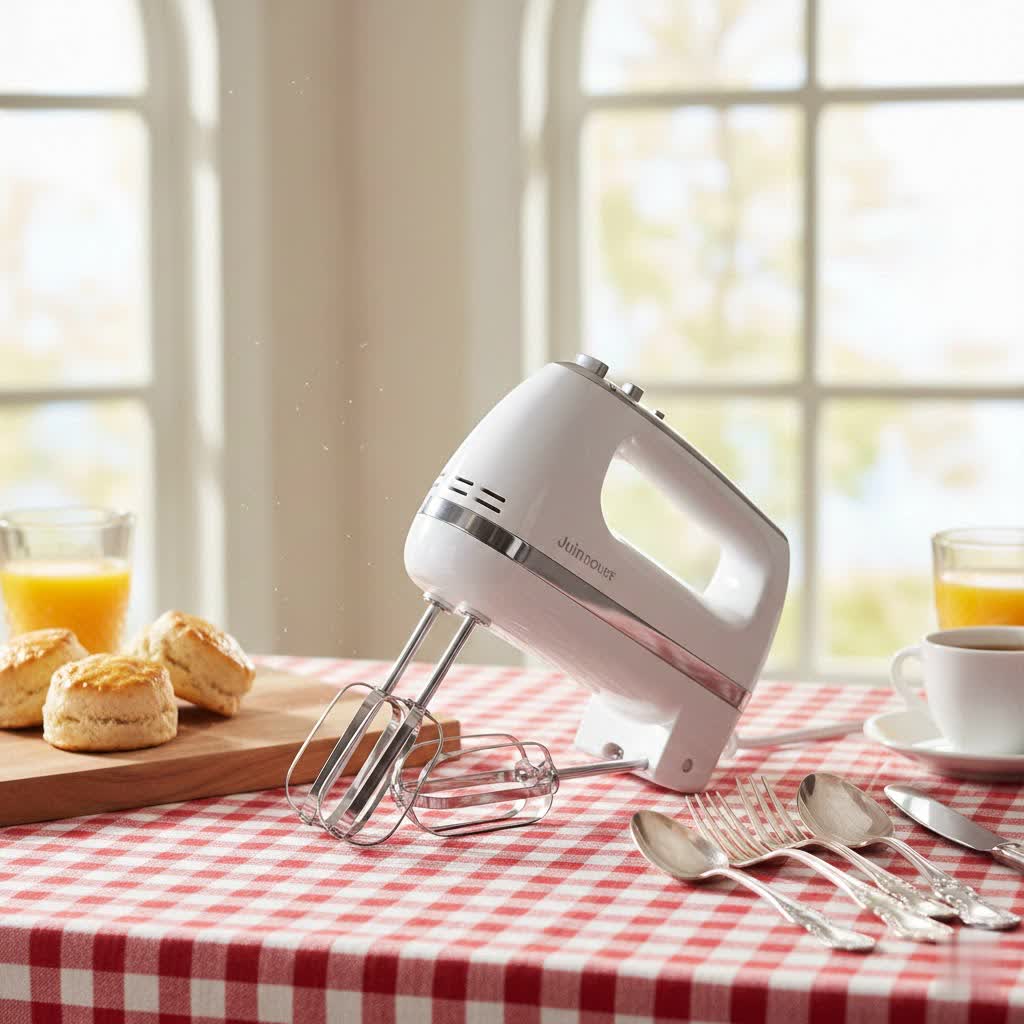
For any home baker or cooking enthusiast, a reliable portable hand mixer is an indispensable kitchen companion. Far from being merely a secondary option to a stand mixer, these agile tools offer incredible versatility, convenience, and efficiency for a wide array of tasks, from whipping delicate meringues to incorporating thick cookie dough. Whether you’re a seasoned chef or just starting your culinary journey, finding the perfect portable hand mixer can transform your mixing experience, saving you time and effort. This comprehensive guide will navigate you through the world of portable hand mixers, helping you understand their types, essential features, top models, and how to choose the best one for your kitchen.
Types of Portable Hand Mixers
Portable hand mixers primarily fall into two categories: corded and cordless. Each offers distinct advantages tailored to different user preferences and kitchen setups.
Corded Hand Mixers
|
Our Picks for the Best Hand Mixer in 2026
As an Amazon Associate I earn from qualifying purchases.
|
||
| Num | Product | Action |
|---|---|---|
| 1 | Hamilton Beach 6-Speed Electric Hand Mixer with Whisk, Traditional Beaters, Snap-On Storage Case, 250 Watts, White |

|
| 2 | Hamilton Beach 6-Speed Electric Hand Mixer with Whisk, Dough Hooks and Easy Clean Beaters, Powerful 275 Watt Motor, Snap-On Storage Case, Black |
|
| 3 | 5-Speed Electric Hand Mixer, 800W Handheld Mixer with Turbo for Baking & Cooking, Kitchen Food Mixer with Storage Case & 5 Stainless Steel Attachments (2 Beaters, 2 Dough Hooks, 2 Whisks)-White |
|
| 4 | Hamilton Beach 6-Speed Electric Hand Mixer with Whisk, Dough Hooks and Easy Clean Beaters, Powerful 275 Watt Motor, Snap-On Storage Case, Blue |
|
| 5 | KitchenAid 5 Ultra Power Speed Hand Mixer - KHM512, Empire Red |
|
| 6 | KitchenAid 5-Speed Ultra Power Hand Mixer - KHM512, Contour Silver |
|
| 7 | KitchenAid 5 Ultra Power Speed Hand Mixer - KHM512, Aqua Sky |
|
| 8 | Mity Rain 4-in-1 Frother for Protein Powder, Adjustable-Waterproof, Protein Powder Scoop Funnel Set, Detachable Rechargeable Protein Mixer Wand for Coffee, Matcha, Milk, and Drinks |
|
| 9 | KitchenAid 5-Speed Ultra Power Hand Mixer |
|
| 10 | Hamilton Beach 6-Speed Electric Hand Mixer with Whisk, Dough Hooks and Easy Clean Beaters, Powerful 275 Watt Motor, Snap-On Storage Case, White |
|
Corded hand mixers are the traditional and most common type. They plug directly into a power outlet, providing continuous, uninterrupted power. This makes them ideal for longer mixing tasks or for handling denser batters and doughs that require sustained effort. They often come with higher wattage motors, ensuring consistent performance without worrying about battery life. The main trade-off is the tethering to an outlet, which might limit your movement in the kitchen.
Cordless Hand Mixers
Embracing modern convenience, cordless hand mixers offer unparalleled freedom. Powered by rechargeable batteries, these mixers allow you to move around your kitchen or even mix ingredients outdoors without being restricted by power outlets. While they offer exceptional portability, their battery life and power can be a consideration. They are excellent for quick tasks like whipping cream or beating eggs but might struggle with very thick doughs over extended periods without needing a recharge. Newer models, however, are increasingly powerful and efficient, often capable of several batches on a single charge.
Key Features to Consider When Buying a Portable Hand Mixer
Choosing the right portable hand mixer involves evaluating several critical features that impact performance, comfort, and versatility.
Power and Speed
The power (wattage) and number of speed settings are crucial indicators of a hand mixer’s capability. Most effective hand mixers range from 200 to 350 watts. A higher wattage generally means more power, which is beneficial for thicker mixtures like cookie dough or dense batters. Look for models with multiple speed settings, ideally between 5 and 9 or more, allowing for precise control. Features like “SmoothStart” or low initial speeds are excellent for preventing splatter, while a “turbo” button can provide an extra burst of power for tough spots.
Attachments and Versatility
The attachments included with a hand mixer significantly broaden its utility.
- Standard Beaters: Essential for most mixing tasks, such as combining ingredients for cakes and cookies. Some advanced beaters are silicone-coated to prevent clanking against bowls and scrape the sides more effectively.
- Whisks: Often a “chef’s whisk” or “balloon whisk” for aerating ingredients like egg whites, cream, and light batters, creating fluffy textures.
- Dough Hooks: Designed for kneading small to medium batches of dough for breads, pizzas, and pastries. While hand mixers aren’t as powerful as stand mixers for heavy dough, good dough hooks can manage lighter kneading tasks.
- Other Attachments: Some premium models might include a spatula or even an immersion blender rod, offering multi-functionality.
Ergonomics and Comfort
Since you’ll be holding the mixer, comfort is key. Consider the weight of the unit; lighter models (around 2-3 lbs) reduce arm fatigue during longer mixing sessions. An ergonomic handle with a comfortable, non-slip grip (often rubberized) enhances control and ease of use. A well-balanced design also contributes to a more pleasant mixing experience.
Storage and Design
Kitchen space is often at a premium, so a compact design and efficient storage solutions are beneficial. Many hand mixers come with snap-on storage cases that neatly house the attachments and power cord, keeping everything organized and easy to find. Some also feature a “bowl rest” design, allowing you to perch the mixer on the edge of your mixing bowl between tasks, preventing countertop messes.
Additional Smart Features
Modern hand mixers often incorporate smart features that enhance usability:
- Built-in Timer: Helps you adhere to precise mixing times specified in recipes.
- Built-in Light: Illuminates the mixing bowl, providing better visibility, especially in low light or with darker ingredients.
- SmartMix Technology (Braun): Adjusts power automatically based on the load, ensuring consistent results.
- Beater IQ Technology (Breville): Detects the attachment type and calibrates speed accordingly.
- Easy Eject Button: Allows for single-handed removal of beaters without hassle.
Top Portable Hand Mixers: A Comparative Overview
Here’s a look at some of the most highly-regarded portable hand mixers on the market, offering a range of features and price points:
| Brand/Model | Power (Watts/Volts) | Speeds | Key Features | Pros | Cons | Price Range |
|---|---|---|---|---|---|---|
| Breville Handy Mix Scraper | 242W | 9 + Turbo | Scraper beaters, built-in timer, bowl light, Beater IQ, snap-on storage case | Excellent performance, smart features, quiet, comfortable grip | Heavy, expensive | $140-$170 |
| Cuisinart Power Advantage Plus | 220W | 9 | SmoothStart, automatic feedback, snap-on storage case, chef’s whisk, dough hooks | Powerful, versatile, prevents splatter, good value, ergonomic grip | Can be loud, chrome finish shows fingerprints, tends to tip over | $80-$100 |
| Braun MultiMix 5 | 350W | 9 + Turbo | SmartMix technology, MultiWhisk beaters, dough hooks, easy one-handed control | Most powerful, tackles tough doughs, ergonomic soft grip, quiet | No integrated storage case, can be heavy | $90-$110 |
| KitchenAid Cordless Hand Mixer | 12V Battery | 7 | Cordless freedom, slow start, battery indicator, 7 color options | Portable, easy to clean, good performance for light tasks | Needs frequent charging, may shut off under strain with thick dough | $100-$120 |
| Hamilton Beach 6-Speed | 250W | 6 + QuickBurst | Bowl rest feature, snap-on storage case, QuickBurst button | Excellent value, fast, effective for whipping, bowl rest | No slow start (splatter risk), storage case difficult to use, harder to clean | $25-$35 |
Note: Prices are approximate and subject to change.
How to Choose the Right Portable Hand Mixer for Your Needs
Selecting the perfect hand mixer depends heavily on your individual baking habits and priorities.
Your Baking Habits
- Occasional/Light Tasks: If you primarily whip cream, beat eggs, or mix light batters for pancakes, a basic 5-speed mixer like the Hamilton Beach 6-Speed offers great value without overspending.
- Frequent/Varied Baking: For those who bake regularly and tackle a range of recipes, including heavier cookie doughs or occasional kneading, a 9-speed model with higher wattage like the Cuisinart Power Advantage Plus or Braun MultiMix 5 provides the necessary power and versatility.
- Serious Chefs/Bakers: If you demand top-tier performance, advanced features, and are willing to invest more, the Breville Handy Mix Scraper is an excellent choice with its precision and innovative design.
Budget Considerations
Hand mixers are generally more affordable than stand mixers, with options across various price points. Determine your budget upfront. Excellent entry-level mixers can be found for under $40, while mid-range models (around $80-$120) offer a good balance of features and performance. Premium mixers with advanced technology and robust build quality can go upwards of $150.
Kitchen Space & Storage
If storage is a concern, prioritize models with integrated snap-on cases that keep all attachments and cords neatly tucked away. Cordless models, while needing charging space, free up counter space from tangled cords during use.
Specific Recipes
Consider the types of recipes you make most often. If whipping egg whites to stiff peaks is a priority, models known for strong whipping performance (e.g., Breville, Cuisinart, Hamilton Beach) are good contenders. For occasional kneading, ensure the mixer comes with sturdy dough hooks and sufficient power.
Tips for Using and Maintaining Your Portable Hand Mixer
Maximizing the lifespan and efficiency of your hand mixer involves proper usage and diligent care.
Best Practices for Use
- Choose the Right Bowl: Use sturdy bowls, preferably stainless steel or tempered glass, that can withstand the mixer’s action without scratching or breaking. Ensure the bowl is large enough to prevent ingredients from splattering.
- Start Slow: Always begin mixing at the lowest speed to gradually incorporate ingredients and prevent a “flour cloud” or splattering, especially with dry ingredients.
- Move Systematically: Move the mixer around the bowl, ensuring all ingredients are incorporated from the sides and bottom.
- Avoid Overmixing: Mixing for too long can overdevelop gluten in batters, leading to tough baked goods. Follow recipe guidelines closely.
- Mind the Cord: For corded models, ensure the cord is out of the way to prevent accidental tugging or entanglement. Some mixers have swivel cords for added convenience.
Cleaning and Care
- Unplug Before Cleaning: Always unplug your hand mixer before detaching attachments or cleaning the unit.
- Dishwasher-Safe Attachments: Most beaters, whisks, and dough hooks are dishwasher-safe, making cleanup simple. Check your manual.
- Wipe Down the Body: Clean the mixer body with a damp cloth. Avoid submerging the motor unit in water.
- Dry Thoroughly: Ensure all parts are completely dry before storing to prevent rust or damage.
Troubleshooting Common Issues
- Splatter: Use a deep bowl, start at the lowest speed, and ensure liquids are added gradually. A “SmoothStart” feature can greatly help.
- Straining: If your mixer struggles with thick dough, it might be underpowered for the task. Consider a higher wattage model or a stand mixer for heavy-duty kneading. For cordless models, ensure it’s fully charged.
- Loud Noise: Some mixers are simply louder than others. If the noise is excessive or unusual, check for loose attachments or motor issues. Quiet models exist, like the Breville and Braun.
Portable Hand Mixer vs. Stand Mixer: Which One is Right for You?
The choice between a portable hand mixer and a stand mixer boils down to your specific needs and kitchen dynamics.
Portable hand mixers are generally more affordable, take up less storage space, and offer greater portability. They are excellent for everyday tasks like whipping cream, beating eggs, mixing cake batters, and light cookie doughs. Their handheld nature allows for more control in directing the beaters to different parts of the bowl.
Stand mixers, on the other hand, are more powerful, robust, and designed for hands-free, heavy-duty mixing. They excel at kneading large batches of bread dough, making stiff meringues, or mixing dense batters without requiring you to hold the machine. However, they are significantly more expensive, much larger, and less portable.
Which should you choose? If you have limited counter space, a tighter budget, or primarily perform light to moderate mixing tasks, a portable hand mixer is an ideal solution. If you’re a serious baker who frequently tackles large quantities, makes bread from scratch, or simply prefers hands-free operation for heavy tasks, a stand mixer might be a better investment. Many home cooks find value in owning both, using the hand mixer for quick, smaller jobs and reserving the stand mixer for more demanding culinary projects.
Conclusion
Choosing the right portable hand mixer can significantly enhance your baking and cooking efficiency, transforming tedious tasks into enjoyable ones. With a myriad of options available, from powerful corded models to convenient cordless designs, understanding key features like wattage, speed settings, attachments, and ergonomic design is essential. By carefully considering your baking habits, budget, and desired functionalities, you can confidently select a portable hand mixer that serves as a truly valuable asset in your kitchen for years to come. What culinary masterpiece will you whip up first with your new mixing marvel?
Frequently Asked Questions
How many watts do I need for a hand mixer?
For most general mixing tasks, a hand mixer with 200-250 watts is sufficient. If you plan to tackle thicker batters or light doughs frequently, opting for a mixer with 250-350 watts will provide more power and ensure better performance without straining the motor.
Can a hand mixer knead dough?
Yes, many hand mixers come with dough hook attachments and can handle light to medium bread doughs. However, for very stiff or large batches of dough, a stand mixer is generally more efficient and powerful, preventing overworking the hand mixer’s motor.
Are cordless hand mixers worth it?
Cordless hand mixers offer unmatched portability and convenience, allowing you to mix anywhere without being tied to an outlet. They are excellent for lighter tasks and quick recipes. While they require charging and might have slightly less sustained power than their corded counterparts, their freedom of movement makes them a valuable addition for many kitchens.
How do I prevent splatter when using a hand mixer?
To minimize splatter, always start your hand mixer on the lowest speed setting to gradually incorporate ingredients, especially dry ones. Use a deep mixing bowl and ensure it’s not overfilled. Some mixers feature “SmoothStart” technology which is designed to prevent ingredients from flying out at the beginning.
